


A valve can work well and still sit in the wrong place. Poor placement can disrupt sealing, filling, artwork, and the final shelf shape.
I place a coffee bag degassing valve in a flat headspace area above the normal product level, away from seals, zipper tracks, folds, tear notches, and critical artwork. I confirm the final location on a filled sample and the buyer's packing line before bulk production.

When I develop custom coffee bags, I treat valve position as part of the full package system. I check the bag, coffee, filling method, closure, artwork, and transport needs together.
Why Should the Valve Sit in the Coffee Bag Headspace?
A valve buried against the product may not behave like a valve in clear headspace. That uncertainty can appear only after filling and shipping.
I normally position the valve above the expected coffee level because released gas collects in the bag headspace. The clear area also reduces direct contact between coffee particles, oils, and the valve opening.

I start with the real fill level
I do not choose the valve location from an empty bag photo. I first check the actual pack weight, coffee form, bag size, and expected settling. Whole beans and ground coffee do not occupy the same space at the same weight. Different roast profiles and particle sizes can also change the way the product settles. I therefore need the buyer's real product information before I fix the layout.
I mark the highest normal product level on a filled trial pouch. I then reserve a clear area above that line for the valve and top closure. This approach gives the released gas a direct route to the headspace. It also helps keep loose grounds and coffee oils away from the valve area. I do not promise that position alone will deliver a target shelf life. The barrier structure, top seal, valve model, roast-to-pack timing, storage, and distribution conditions also matter.
| Information I request | Why I need it | What I check |
|---|---|---|
| Coffee form | Beans and grounds settle differently | Product contact with the valve area |
| Net fill weight | The weight sets the working fill level | Remaining headspace after filling |
| Bag dimensions | Panel area controls available space | Flat valve installation zone |
| Roast-to-pack timing | Gas release continues after roasting | Need for pressure-management testing |
| Distribution method | Packs face stacking and movement | Bag shape after handling |
I use this information to define a position range. I confirm the final point only after I see the filled pouch and its normal handling condition.
What Features Must the Degassing Valve Avoid?
A few millimeters can decide whether the valve supports the package or competes with another feature. An attractive drawing can hide this conflict.
I keep the valve away from heat seals, zipper tracks, tear notches, gusset folds, hang holes, date-code zones, and important graphics. I also reserve enough flat film around it for stable application.

I map every functional zone before artwork approval
I place the top seal first because it closes the final package. I then map the zipper, tear notch, and any hanging feature. I mark side seals and gusset folds as restricted zones. The remaining flat panel area becomes the working space for the valve, artwork, and production codes.
I avoid placing the valve too close to a fold because the panel may bend during filling, packing, or display. I avoid the zipper track because the valve must not interfere with opening, resealing, or the top heat-seal area. I also keep it away from a tear notch because the consumer needs a clean opening path. If a buyer uses a date coder, label applicator, or vision system, I reserve those working areas as well.
| Restricted area | Possible conflict | My layout response |
|---|---|---|
| Top or side heat seal | Reduced sealing room or uneven pressure | I keep a defined clearance on the final drawing |
| Zipper track | Poor opening or closing experience | I separate the valve and zipper working zones |
| Gusset fold | Valve sits on a moving or uneven surface | I choose a flatter panel position |
| Tear notch | Consumer opening path crosses the valve | I move the valve away from the tear line |
| Date-code area | Code becomes hard to read or apply | I reserve a clean coding rectangle |
| Main artwork | Valve covers text or a visual focal point | I coordinate valve and artwork before plates |
At XINYUAN, I provide free typesetting support. I use the confirmed bag structure to help the buyer place important graphics outside restricted zones. If printed artwork requires plates, the plate-making factory charges the plate fee. A later order normally avoids a new plate fee when the printed pattern stays unchanged.
How Does the Pouch Style Change Valve Placement?
One position cannot fit every coffee pouch. A stand-up pouch, side-gusset bag, and flat-bottom bag create different flat zones, folds, and display faces.
I match valve placement to the finished pouch style, normal display face, filling direction, and machine handling points. I never transfer a position from another bag without checking the new structure.
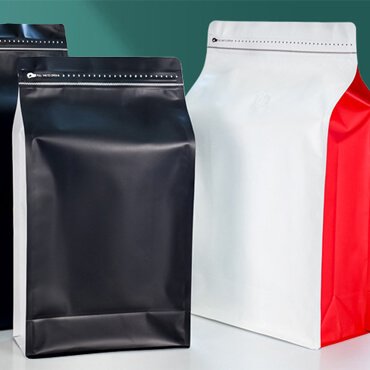
I use the finished bag, not a generic template
I start by identifying the front, back, side panels, and gussets after the pouch is formed. A stand-up pouch often gives me broad front and back panels, but the zipper and bottom gusset still limit the usable space. A side-gusset bag changes shape as it fills, so a point that looks flat when empty may move toward a fold. A flat-bottom bag offers several display panels, but each seam and fold must remain clear.
I also check the filling process. Manual filling needs enough open space for operators to handle and seal the bag. Automatic filling may use grippers, vacuum cups, guides, or sensors in fixed areas. I ask the buyer for the machine bag specification or a sample of the current pouch when possible. I then make sure the valve does not occupy a machine contact point.
| Pouch or process factor | What changes | What I confirm |
|---|---|---|
| Stand-up pouch | Zipper and top seal reduce upper panel space | Valve, zipper, and fill-level relationship |
| Side-gusset bag | Panels expand and folds move after filling | Valve remains on a stable surface |
| Flat-bottom bag | More panels create more design choices | Seams, display face, and coding zone |
| Manual filling | Operators need clear handling space | Filling access and clean sealing area |
| Automatic filling | Machine parts contact fixed bag zones | Gripper, guide, sensor, and valve clearance |
I can support large orders with our equipment and experienced production team, but I still require a controlled specification. Volume does not remove the need for a correct drawing. A clear drawing gives production and the buyer one reference for every repeat order.
How Should Buyers Test the Valve Position Before Bulk Production?
A screen proof cannot show how coffee settles or how the pouch moves through a line. Skipping a physical test can move discovery into mass production.
I recommend a filled-sample test that checks valve clearance, bag swelling, seal cleanliness, zipper use, artwork, coding, machine handling, and transport shape. I record the approved position on the final drawing.
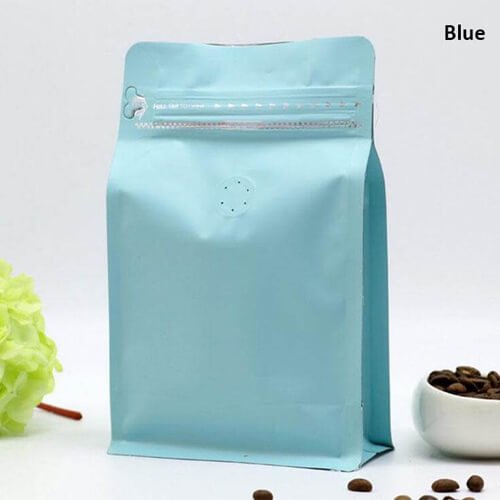
I turn the trial into a repeatable approval
I begin with a dimensionally representative pouch. I fill it with the buyer's actual coffee at the target weight. I check the product level before and after normal settling. I inspect whether beans, grounds, or oils reach the valve area. I close the zipper, make the top seal, and confirm that every feature remains easy to use.
I then check the filled pouch from the buyer's operating view. I look at its travel through guides or contact points when machine information is available. I review the date code and label zones. I also place the pouch in its normal carton orientation and observe whether stacking presses directly on the valve. The buyer should run its own shelf-life and distribution validation because the final result depends on the coffee, process, barrier, storage, and route to market.
| Approval check | Pass question | Record to keep |
|---|---|---|
| Filled product level | Does the valve stay above normal product contact? | Filled sample photo and fill weight |
| Top closure | Can the zipper and heat seal work cleanly? | Closure dimensions |
| Valve area | Does the valve stay on a flat, clear panel? | Position from fixed bag edges |
| Artwork and code | Are text and codes clear and readable? | Approved artwork proof |
| Packing line | Does equipment avoid the valve zone? | Machine test note or specification |
| Carton handling | Does packing avoid harmful pressure on the valve? | Packing orientation and carton plan |
I provide free in-stock samples when a suitable item is available. A separately produced custom sample may require a sample fee. I can return that fee or deduct it from a later bulk order under the confirmed quotation. I use the approved sample, drawing, and artwork together so the bulk specification stays clear.
Conclusion
I place the valve in clear headspace, protect every functional zone, match the pouch and filling line, and approve the final position through filled-sample testing.