


An undersized pouch contaminates the closure or strains the seal, while excessive empty space makes the pack look poorly filled and wastes carton volume.
There is no universal headspace percentage. Leave enough room for clean filling, product settlement, zipper operation, and the final top seal. Confirm it with the actual product and filling method by measuring from the highest realistic fill level to the lowest closure or seal zone.

At XINYUAN, I treat headspace as a working area, not leftover capacity. The following checks help buyers turn that area into a clear, testable purchasing requirement.
What Determines the Required Headspace?
Fill weight alone cannot determine headspace because powders, pieces, liquids, and irregular products behave differently while entering and settling inside the pouch.
The required headspace depends on actual product volume, product movement, filling method, closure position, final sealing process, and handling before sealing. Buyers should base the first estimate on a representative product sample and then verify it on the intended packing process.
Follow the product through the packing step
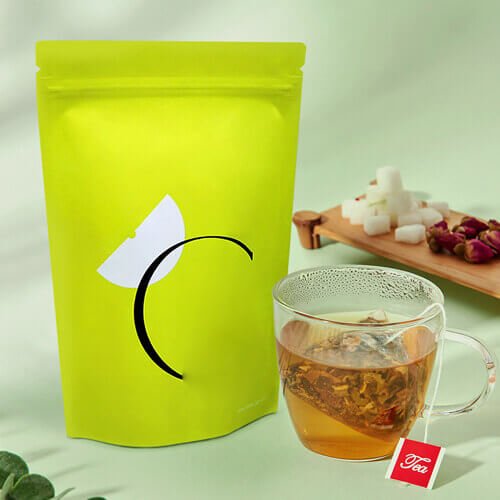
I begin with the target net contents and the product's real volume at packing time. Two products with the same weight may occupy different volumes. A powder may settle after vibration, while large snack pieces may bridge near the opening. An oily, dusty, or fine product may also reach the closure area more easily during dosing. For this reason, a generic weight-to-pouch chart can only provide a starting point.
The filling method matters just as much. Hand filling, a funnel, a weigh scale, an auger, or a filling nozzle may require different access above the product. The pouch may also be gripped or moved before the top seal is made. I ask the buyer or co-packer to identify the widest tool or component that enters the mouth and the point where the pouch is held during filling.
| Input | Why it changes headspace | Evidence to provide |
|---|---|---|
| Target net contents | Sets the normal product level | Actual weight or volume |
| Product form | Pieces, powder, or liquid move differently | Representative product sample |
| Filling method | Tools and dosing motion need working clearance | Equipment description or video |
| Closure layout | A zipper and top seal occupy part of the height | Dimensioned pouch drawing |
| Settlement | Product level may change after vibration | Filled-pouch trial observations |
Our stand-up pouch page confirms that we can customize sizes and printed designs. However, customization begins with these process inputs. I do not recommend choosing a taller pouch merely to create a safety margin without checking presentation and carton impact.
How Should Buyers Measure Usable Headspace?
Outside pouch height can be misleading because the top seal, tear notch, zipper, and bottom gusset reduce or reshape the space available to the product.
Buyers should identify the highest realistic product level and the lowest functional closure or sealing boundary. The distance between those references is working headspace. They should record both references on the pouch drawing instead of describing the pack as “about three-quarters full.”
Separate product capacity from functional zones
I divide the pouch drawing into three areas. The product area begins above the opened bottom gusset and ends at the approved maximum fill line. The closure area includes the zipper, if present, and the space needed for it to close without product trapped in the track. The top area includes the final heat-seal zone and any tear notch or first-opening feature. These zones must work together.
Buyers should measure from fixed points on the finished pouch. They can state outside width, outside height, and bottom-gusset dimensions, but they should also state the zipper reference and the required final-seal area. If a fill line is printed, its position should match the tested product level rather than a visually convenient location on the artwork.
The bottom gusset also matters. A flat pouch does not show its usable filled shape. When the gusset opens, it changes both capacity and the height reached by the product. The buyer should fully open the gusset during the trial and allow the product to settle naturally. Our earlier guide on choosing a stand-up pouch size explains why outside dimensions and nominal capacity cannot replace an actual fill check.
Record a measurable reference
I recommend placing the maximum tested fill level on the approval drawing. The record should state whether that level was measured immediately after dosing or after a defined settling step. It should also identify the lower edge of the zipper or the lower limit of the clear sealing zone. This approach lets purchasing, production, and quality teams check the same dimension.
How Should Buyers Run a Headspace Fill Trial?
A sample can appear acceptable while empty but fail when real product dust, trapped pieces, or filling motion reaches the closure and seal areas.
Buyers should fill several samples at the target and expected maximum conditions, reproduce normal settlement and transfer, close the zipper, make the final seal, and inspect the filled pouch, closure area, shelf shape, and shipping case before approval.
Reproduce the real sequence
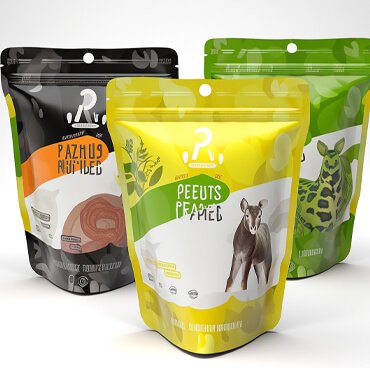
I ask the buyer to use the actual product or the closest representative material. The operator should follow the planned dosing speed and filling method. After filling, the operator should apply the normal tapping, vibration, air removal, or settling step, if any. The pouch should then move through the same handling steps planned for production before the zipper and top seal are completed.
The team should look for product inside the zipper track, particles or liquid in the seal zone, a product level that rises during handling, difficulty aligning the pouch in the sealer, and an overfilled or underfilled shelf appearance. The team should also open and reclose the zipper after the top is cut away when reclosure is part of the design. A pass should mean more than “the product fits.”
| Trial stage | Check | Approval record |
|---|---|---|
| Dosing | Product enters without blocking the mouth | Filling tool, speed, and target amount |
| Settlement | Product reaches a repeatable level | Method and maximum observed level |
| Closure | Zipper closes without trapped product | Visual result and operator feedback |
| Final sealing | Seal area remains clean and accessible | Sealer setup supplied by the packer |
| Presentation | Pouch stands and looks intentionally filled | Approved filled-sample photos |
| Case packing | Filled dimensions suit the outer carton | Orientation and units per carton |
XINYUAN provides free in-stock samples. A separately produced custom sample may require a sample fee. For a later bulk order, we can return or deduct that fee from the bulk-order price, subject to the confirmed quotation. I use samples to reduce uncertainty before dimensions and artwork are frozen.
What Should the RFQ and Approval Record State?
If an RFQ lists only pouch dimensions and fill weight, the supplier still lacks the information needed to protect the working closure and seal zones.
A complete RFQ should state the product, target and maximum fill conditions, filling method, settlement step, pouch dimensions, gusset, closure positions, top-seal requirement, maximum fill line, artwork version, and carton plan. The approval record should link these inputs to a tested sample.
Put process information beside dimensions
I recommend that buyers include a product description, target net contents, representative bulk volume, largest piece or relevant product behavior, and expected filling temperature if it affects the packing process. They should identify manual or automatic filling and name the equipment or co-packer when known. They should also specify whether the pouch has a zipper, tear notch, hang hole, valve, or other feature that occupies the top area.
The dimensional drawing should show outside width and height, gusset, zipper reference, final top-seal zone, tear location, and tested maximum fill line. Artwork should follow that drawing. A logo, instruction, or transparent window should not be placed where product level or seal controls make it difficult to use or inspect.
Our guide to a custom packaging RFQ provides a broader purchasing checklist. For this project, I would add the fill-trial version, sample identification, product batch or representative material, and the name of the party approving the filled result.
Freeze the approved combination
The final record should connect the quotation, dimension drawing, artwork, physical sample, filling method, and carton instruction by version or date. If the buyer later changes the product density, net contents, filling equipment, zipper position, or gusset, I recommend repeating the relevant fill trial. A previously approved amount of headspace may no longer be suitable.
XINYUAN's integrated production system covers raw-material production through finished products, and our equipment and production organization support large orders and long-term supply as an operating focus. A controlled approval record gives that production system a precise target rather than an assumption.
Conclusion
Set headspace from the real product and filling process, measure it against functional closure zones, and approve the result through a documented fill-and-seal trial.