


Flat-bottom and quad-seal pet food bags can look similar in supplier photos, so a name-only order can hide major differences in panels, seams, filling, and packing.
Distinguish these formats by construction, not the sales name. A flat-bottom bag uses a defined base panel. A quad-seal bag uses side gussets with four vertical corner seals, while its bottom finish can vary. Request dimensioned drawings, filled samples, and sealing details before ordering.
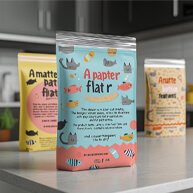
At XINYUAN, I ask buyers to compare the whole finished bag. This guide shows what to put on the drawing, test with kibble, and freeze in the purchase record.
What Structural Details Separate the Two Formats?
Suppliers do not always use the same format names, which can make two different drawings appear equivalent in an email or quotation.
A flat-bottom bag normally has a distinct bottom panel joined to the front, back, and side panels. A quad-seal bag normally has two side gussets and four vertical corner seals; its bottom closure must be specified separately. Buyers should approve panel and seal geometry instead of relying on either name.
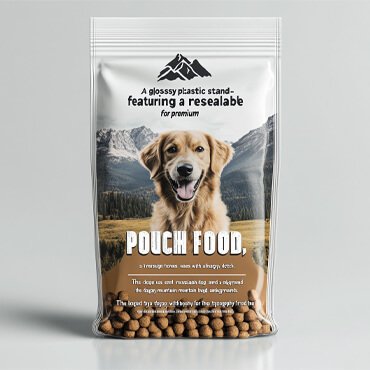
Read the construction drawing first
I start by asking the supplier to label the front, back, left gusset, right gusset, and bottom. The drawing should show every permanent seal, the open filling end, and the finished bottom construction. This simple step prevents terminology from controlling the decision. Some sellers use “box pouch,” “block-bottom,” “eight-side seal,” and “flat-bottom” for closely related constructions. Other sellers use “quad seal” for a side-gusset bag with four corner seals. A buyer should not assume these words describe an identical converting method across factories.
Our pet food packaging page lists several customizable shapes, including eight-side, four-side, three-side, center-seal, and back-seal options. That range makes the drawing especially important. I need the buyer to identify the intended construction rather than writing only “custom dog food pouch.”
| Drawing feature | Flat-bottom format to confirm | Quad-seal format to confirm |
|---|---|---|
| Main panels | Front, back, two sides, defined base | Front, back, two gussets |
| Vertical seams | Show how side panels join | Show all four corner seals |
| Bottom | Label the separate base and its joins | State the required bottom closure |
| Filling opening | Mark the open top and usable mouth | Mark the open top and usable mouth |
| Closure features | Position zipper, handle, and tear opening | Position zipper, handle, and tear opening |
I also ask for both flat and filled views. A flat sample reveals folds and seal paths, while a filled sample shows the actual footprint and panel shape. Neither view replaces the other.
Which Operating Inputs Should Decide the Format?
A bag may stand neatly in a product photo but still conflict with the buyer's filler, target quantity, shelf width, or outer carton.
Choose the format by actual product volume, target filled weight, filling equipment, closure layout, display footprint, case packing, and normal handling. The better bag is the one that passes the buyer's complete filling and distribution trial, not the one with the more premium name.
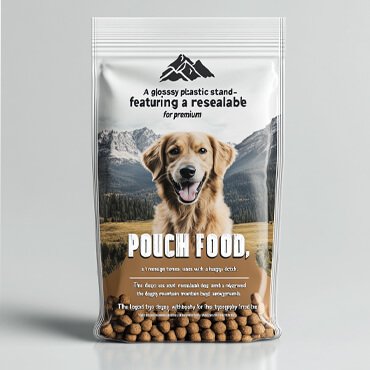
Follow the bag from filler to shelf
I first confirm the actual dry product and target contents. Kibble size, shape, surface, and bulk volume affect how the product enters the bag and settles into its lower corners. A weight alone cannot tell me the filled footprint. I then ask whether the bag will be filled manually or by equipment, how the empty bag is opened and held, and where the top seal is made. The mouth width and upper construction must suit that process.
The filled bag must also fit its merchandising and logistics space. The buyer should define the maximum shelf width and depth, the preferred front-panel appearance, and the outer-carton orientation. A wider, box-like footprint may use shelf space differently from a taller gusseted shape. This is a commercial choice, not proof that one format is universally better.
For larger bags, buyers may consider a carry handle. Handle position can change the usable top area, lifting behavior, and carton orientation. Our article on die-cut handles for large pet food bags explains the checks that belong in that separate decision.
Compare both options on one input sheet
I recommend giving both candidate suppliers the same target product, fill amount, filling method, closure requirements, and carton limits. If the inputs change between quotations, the price and sample comparison no longer shows a true format difference. A controlled input sheet keeps the decision focused on construction and process fit.
What Should Buyers Test on Filled Samples?
Empty samples can hide poor gusset opening, uneven settling, awkward lifting, or a footprint that changes after the bag moves through a carton.
Fill samples with the actual product at normal and maximum planned conditions. Check filling access, gusset and base opening, corner and bottom seals, closure use, filled dimensions, shelf stance, lifting, and carton fit after reproducing expected handling.
Use a repeatable sequence
I ask the buyer to record the empty-bag dimensions before the trial. The operator should fill the target amount using the planned method, settle the product using the normal production step, close any zipper, and apply the final top seal. The team should then measure the filled width, depth, and height at agreed reference points. These dimensions matter for shelf planning and units per carton.
The team should inspect all corner and bottom seal paths before and after normal lifting and movement. The goal is not to invent a universal strength test. The buyer should reproduce the real product, handling, and distribution steps that matter to the project, then record a clear pass or failure. If a handle is included, the team should carry the filled sample by that handle and observe both comfort and stress around the cutout or attachment area.
| Trial stage | Buyer check | Record to keep |
|---|---|---|
| Filling | Mouth opens and product enters cleanly | Equipment or manual method |
| Settlement | Product reaches corners and lower panels | Settlement method and fill level |
| Sealing | Top area stays accessible and clean | Sealer and approved result |
| Handling | Bag tolerates the defined lift and movement | Product load and handling steps |
| Display | Bag stands and panels present as approved | Filled photos and dimensions |
| Case packing | Units fit without unwanted distortion | Count, orientation, and carton size |
XINYUAN provides free in-stock samples. A separately produced custom sample may require a sample fee. For a later bulk order, we can return that fee or deduct it from the bulk-order price, subject to the confirmed quotation. I use the custom sample to settle construction questions before artwork and bulk production are released.
What Should the RFQ and Approval Record Include?
If the RFQ says only “flat-bottom pet food bag,” the supplier must still guess the panels, bottom, seals, closure, dimensions, and packing method.
The RFQ should include a labeled construction drawing, flat and filled dimensions, product and fill amount, filling method, top closure, handle, print panels, material requirement, carton plan, sample process, and acceptance checks. The final approval record should freeze every file by version.
Replace format shorthand with controlled details
I recommend that the buyer state the preferred commercial name and then describe the construction underneath it. The RFQ should list the number and location of panels, all vertical seals, the bottom construction, the open filling side, and how finished dimensions are measured. It should also state target and maximum product amounts, the representative product used for the trial, and any filling-line constraints.
The closure section should identify the zipper or other reclosure, final top seal, tear opening, and handle if needed. The artwork section should map each design panel to the approved drawing. XINYUAN provides free artwork and typesetting support. A printed pattern requires a printing plate, so a plate fee may apply. The fee goes to the plate-making factory. If the same pattern is reused in a later order, a new plate fee is normally not needed, subject to the confirmed quotation.
Our broader custom packaging RFQ checklist can support this document. For this comparison, I would add a format-definition page so the words “flat bottom” and “quad seal” cannot be separated from their approved drawings.
Freeze one tested combination
The approval record should connect the quotation, dimension drawing, artwork, physical sample, filled-sample photos, test record, and carton instruction by date or version. A later change to fill amount, zipper, handle, dimensions, or bottom construction should trigger a review of the affected checks.
XINYUAN has an integrated production system covering raw-material production through finished products. Our equipment, experienced employees, and production organization support large orders and long-term supply as an operating focus. A precise approval package gives that system one measurable target.
Conclusion
Distinguish pet food bag formats by panel and seal drawings, then choose through controlled filling, handling, display, and carton tests using the actual product.