


A pouch can look correct on a drawing yet fail during filling. One wrong size can waste film, slow sealing, and weaken shelf presentation.
B2B buyers should choose stand-up pouch size by testing the actual product’s volume, density, fill weight, gusset opening, sealing area, and machine limits. A physical fill test is safer than selecting a pouch from weight alone.

When I review a packaging request at XINYUAN, I do not begin with a standard capacity chart. I begin with the product, the filling method, and the result the buyer needs on the shelf.
Why Does Product Weight Fail to Predict Stand-Up Pouch Size?
Two products can share one fill weight but occupy very different spaces. If a buyer uses weight alone, the selected pouch may be too tight or look half empty.
Product density, particle shape, trapped air, and settling determine the space a product needs. Buyers should measure the actual filled volume and test the real product before confirming pouch dimensions.
Weight and volume answer different questions
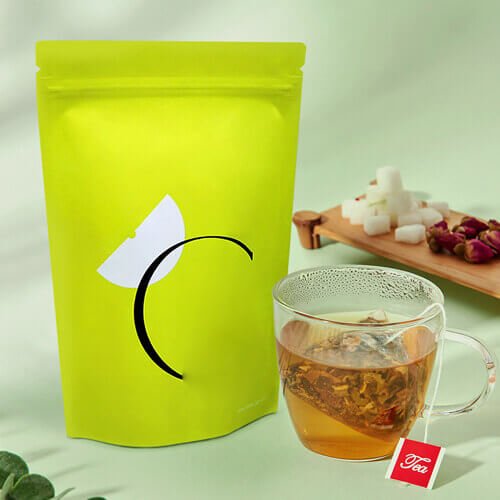
Weight tells me how much product the brand sells. Volume tells me how much space that product occupies. A dense powder, light granola, irregular pet treats, and coffee beans can all behave differently at the same net weight. Small particles may settle after vibration. Large pieces may bridge near the opening. A product with trapped air may look full during packing and lower after transport.
I therefore ask a buyer to prepare a representative product sample. I also ask for the target net weight, particle size, moisture or oil concerns, and expected storage conditions. I then compare the loose fill, settled fill, and final shelf shape. This step is more useful than copying a capacity value from another supplier because pouch capacity figures are only reference points.
| Buyer input | What it changes | What I check |
|---|---|---|
| Target fill weight | Commercial pack size | Weight tolerance and usable space |
| Product density | Required internal volume | Loose and settled fill levels |
| Particle shape | Flow and empty spaces | Bridging, puncture, and appearance |
| Trapped air | Initial pouch fullness | Air release and transport settling |
| Shelf presentation | Visible final shape | Front-panel flatness and stability |
I use this information to narrow the trial size. I do not treat a rough volume formula as a final specification because a flexible pouch does not fill like a rigid box.
Which Stand-Up Pouch Dimensions Should Buyers Confirm?
A drawing can use familiar numbers while hiding different measurement methods. If width, height, and gusset are not defined, quotations may not describe the same pouch.
Buyers should confirm finished width, finished height, bottom-gusset measurement, seal widths, zipper position, tear-notch position, and tolerance. Every dimension should use one agreed drawing and one unit system.
The finished drawing must control the quotation
The common order is width × height × bottom gusset, but suppliers may describe a folded gusset differently. Some drawings show the full opened depth. Other drawings show one folded side. This difference can create a serious size error even when both quotations display similar numbers. I always want the drawing to state exactly how the gusset is measured.
The usable filling area is smaller than the outside pouch dimensions. Side seals, the bottom seal, the zipper, the top sealing zone, and any hanging hole all take space. Artwork also needs safe areas. A logo or required text can move too close to a seal when the physical structure changes.
| Drawing item | Buyer question | Risk if it is unclear |
|---|---|---|
| Finished width | Is this measured between outer edges? | Wrong front-panel area |
| Finished height | Does it include the top seal area? | Not enough filling or sealing room |
| Bottom gusset | Is the number folded or fully opened? | Wrong capacity and standing shape |
| Zipper position | What is its distance from the top edge? | Poor opening and resealing experience |
| Tear notch | Is it above or below the zipper? | Difficult first opening |
| Tolerance | What variation is acceptable? | Filling-line and carton inconsistency |
At XINYUAN, we can provide free typesetting support, so I use the confirmed structure to check the printable area before production. If the design needs printing plates, the plate-making factory charges the plate fee. When the same artwork is used again, a new plate fee is normally not needed.
How Much Headspace Should a Stand-Up Pouch Keep?
An overfilled pouch may hold the target weight but still fail on the line. Product near the seal can cause contamination, wrinkles, weak seals, and slow production.
Headspace must keep product away from the sealing zone while allowing normal settling and handling. The correct allowance depends on the product, filling method, zipper, top seal, and expected expansion.
Headspace protects both production and presentation
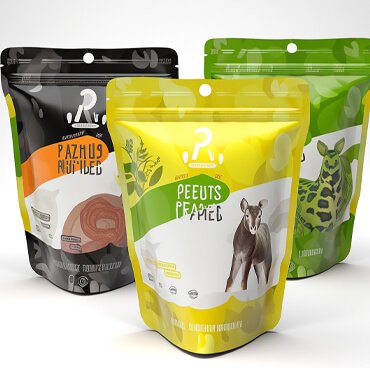
I do not apply one fixed headspace percentage to every product. A free-flowing powder, an oily snack, a liquid, and a bulky dry product create different sealing risks. Manual filling may need more working room. Automatic equipment may need a specific top-grip area and repeatable bag opening. Products that release dust can contaminate the heat-seal zone. Products that settle may need a different initial fill line to reach the desired final shape.
The buyer should also consider the zipper. The product must remain below it during filling and normal use. The consumer needs enough space to open and close the zipper without pushing product into the track. A tear notch, euro hole, or valve can further reduce usable space.
| Operating condition | Headspace consideration | Validation method |
|---|---|---|
| Manual filling | Space for scoops and handling | Trial with real operators |
| Automatic filling | Machine grip and opening area | Confirm machine bag specification |
| Powder or fine particles | Dust near the seal | Seal-zone inspection |
| Bulky snacks | Compression and trapped air | Fill, close, and transport simulation |
| Resealable product | Clear zipper track | Repeated opening test |
| Warm or expanding product | Volume change after filling | Condition-specific trial |
I recommend checking seal appearance and strength after the pouch has been filled, handled, and stored under realistic conditions. A bag that seals well while empty does not prove that the same structure will work with the actual product.
What Should Buyers Test Before a Bulk Pouch Order?
A digital drawing cannot prove filling speed, standing stability, seal cleanliness, or carton fit. Skipping a physical trial moves avoidable uncertainty into the bulk order.
Before mass production, buyers should run a real-product fill test, sealing trial, drop or handling check, shelf review, and packing-line check using the agreed pouch structure and target weight.
A sample should answer purchasing questions
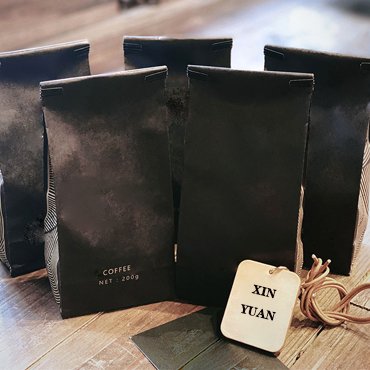
I treat sampling as a decision step, not only as an appearance check. The buyer should fill several pouches at the low, target, and high ends of the normal product tolerance. The team should record whether the pouch opens easily, fills cleanly, stands as expected, seals without contamination, and fits the planned carton. The filled sample should also be reviewed after normal settling.
XINYUAN provides free stock samples when a suitable existing structure is available. A custom sample may require a sample fee because it needs separate work and materials. For a later bulk order, we can return that fee or deduct it from the bulk price according to the confirmed quotation. This approach lets the buyer test a real structure before committing to a large quantity.
| Test | Pass question | Buyer record |
|---|---|---|
| Real-product fill | Does the target weight fit without forcing? | Fill level and weight |
| Heat sealing | Is the seal clean and repeatable? | Temperature, time, and result |
| Standing test | Does the pouch remain stable after settling? | Photos and observations |
| Handling test | Does normal movement damage the pouch? | Failure point, if any |
| Carton fit | Does the planned count pack efficiently? | Carton size and count |
| Artwork review | Are key elements clear of seals and folds? | Approved final proof |
Our production system covers the process from raw-material work to finished products, and our experienced team supports stable large-order production. Still, I want the buyer to confirm the sample, artwork, quantity, and acceptance points before bulk manufacturing. Clear approval records reduce later disagreements and help both sides repeat the same result on future orders.
Conclusion
I choose stand-up pouch size through real-product testing, clear drawings, sealing allowance, and sample approval, so bulk production begins with fewer preventable risks.