


Buyers often request the widest possible zipper opening, then discover that the zipper ends collide with the side seals. Define the seal land before approving the pouch width.
Specify zipper cut length, side-seal land, and zipper-end crush area together. The opening should be wide enough for use while leaving a controlled zone where the side seals capture the zipper ends without wrinkles or gaps.

I treat the zipper ends as a structural transition, not an invisible detail. The buyer’s drawing should show how the profile ends, side seal, artwork, and usable opening work together.
Why does zipper-end seal land matter?
A zipper can work across the center of a pouch and still fail at both ends. The side-seal transition needs enough controlled space for the profile to be captured and flattened.
Zipper-end seal land is the side area outside the usable zipper opening where the zipper profile terminates and the pouch side seal is formed. Buyers should define it with a drawing and sample checks.
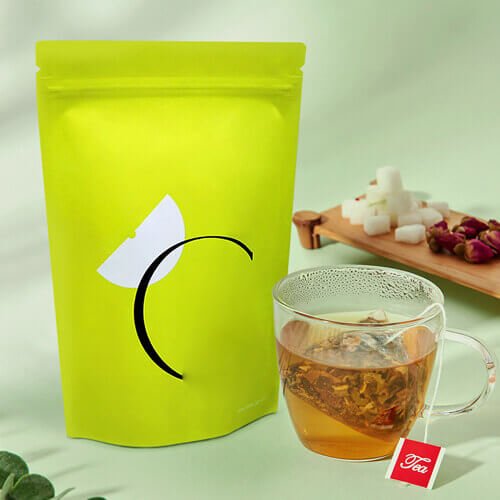
The opening width is not the pouch width
When I review a quotation, I separate finished pouch width from usable mouth opening. A wide pouch does not automatically provide a wide zipper because the profile must stop before each side seal. The remaining side area becomes part of the seal transition.
If the zipper runs too close to the edge, the side seal may cross a thick profile and create wrinkles, uneven pressure, or a visibly bulky corner. If it stops too far inward, the customer loses access width and may struggle to fill or remove the product. The correct balance depends on pouch width, zipper profile, film structure, side-seal method, and intended use.
I also ask whether the pouch has a gusset. When the pouch opens into a three-dimensional shape, the side transitions can fold differently from the flat sample. A zipper that looks centered on a flat sheet may not sit symmetrically after forming. That is why I want the buyer to approve the finished pouch rather than only a film layout.
| Drawing term | Meaning | Approval question |
|---|---|---|
| Finished width | Outside width of the formed pouch | Is the measurement flat or formed? |
| Zipper cut length | End-to-end length of the profile | Does it leave the planned side land? |
| Usable opening | Area the user can access | Is it wide enough for product and hand? |
| Side-seal land | Material outside each zipper end | Does the seal remain visually and functionally even? |
XINYUAN produces stand-up pouches in different formats. I use the product category as a starting point, then confirm the zipper-end layout from the buyer’s dimensions and filling process.
How should buyers put the zipper-end area on a drawing?
Words such as “full-width zipper” leave too much room for interpretation. A dimensioned drawing makes the end treatment measurable and repeatable.
Show the pouch centerline, finished width, side seals, zipper cut length, end-crush zones, and usable opening. Identify the front view and the measurement datum for every distance.
Use one reference system
I recommend starting with the outside-view pouch outline. Mark the left and right edges, centerline, top edge, zipper centerline, and side-seal width. Then dimension from the centerline or finished edge consistently. Mixing “distance from edge” and “distance from center” without labels creates avoidable errors.
The drawing should identify the zipper profile by the agreed description, not only by a casual name such as “standard zipper.” It should show whether the zipper is press-to-close or slider, where it ends, and where the profile is crushed or captured by the side seal. Buyers do not need to invent production tolerances, but they should ask the supplier to state the proposed tolerances on the quotation and sample.
Artwork belongs on the same revision. A logo, barcode, or fine text should not be placed across the zipper-end transition unless the buyer accepts the visual effect. The side seal and crushed profile can change the flatness and appearance of the printed area. I provide free artwork and typesetting service, so I can help keep the print layout aligned with the structural drawing.
| Drawing item | Why it belongs there |
|---|---|
| Centerline | Prevents left-right interpretation differences |
| Zipper cut length | Defines the actual opening component |
| Side-seal width | Shows where the zipper ends are captured |
| End-crush indication | Identifies the thicker transition area |
| Artwork exclusion zone | Prevents important graphics crossing the transition |
| Revision and date | Keeps the approved file tied to the order |
If the pouch includes a top seal or tear feature, I mark those separately. The zipper-end area should not be hidden inside a generic “seal” label.
How should the product and filling process affect the seal land?
The same zipper geometry can feel adequate for a small snack pouch and restrictive for a wide pet-food bag. Product access and filling equipment should set the opening target.
Choose the end land after considering product size, fill weight, opening frequency, hand access, filling nozzle clearance, and whether the pouch will be formed before or after filling.
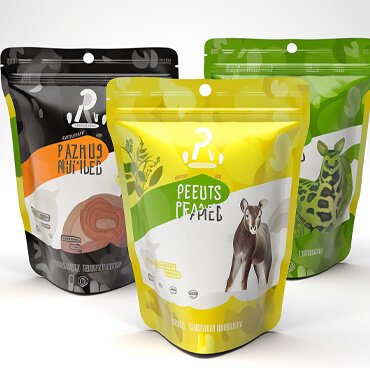
Test the pouch with its real contents
I ask buyers to test a filled sample because the product can push against the zipper and side seals. Powders may reach the upper area, while large pieces can catch near the corners. A high fill level can also make the pouch harder to open wide, even when the empty sample looks generous.
The filling method matters too. An automatic nozzle may need a clean opening that is wider than a manual operator needs. Grippers may hold the side edges, so the zipper-end land must not interfere with pickup. If the pouch is filled through an open top and sealed later, the buyer should confirm that the final heat-seal zone remains clear of product dust and zipper bulk. I do not assume that a zipper pouch can run on every line without a trial.
For consumer use, I check whether fingers can reach past the end transition. A thick or sharp-feeling corner may affect handling even if it passes a visual inspection. The buyer should open and close the filled sample repeatedly, then inspect the ends for profile deformation or side-seal distortion.
| Use case | Main check |
|---|---|
| Small snack pouch | Can the user reach the full opening? |
| Powder product | Does product avoid the zipper and end seals? |
| Large pet-food pack | Do weight and corner stress distort the ends? |
| Automatic filling | Do grippers and nozzle clear the zipper line? |
Our dog food bag page gives buyers a product-specific reference, but I still confirm fill weight, density, and machine details before finalizing the seal land.
How should buyers inspect zipper ends on a sample?
A flat proof cannot show how the zipper-end transition behaves after forming, filling, and sealing. Buyers should make the end zones part of the acceptance test.
Inspect both ends for continuous side seals, controlled flattening, clean film appearance, usable opening width, and consistent alignment with the approved drawing. Record any correction by revision.
Use a repeatable approval routine
I suggest five checks. First, compare the physical sample with the outside-view drawing and confirm the zipper is centered as approved. Second, measure the finished width, zipper cut length, and visible side land. Third, fill the pouch with a representative product or substitute and form the gusset. Fourth, open and close the zipper from both ends. Fifth, inspect the side seals and end-crush zones under normal light.
The buyer should also look at the artwork near each transition. A small registration shift may be more visible beside a thick profile. If the pouch has a top seal, the buyer should verify that the end area does not create an unintended weak-looking fold or obstruct the opening feature.
I recommend keeping one signed sample and the approved drawing with the purchase order. A note such as “zipper ends captured in side seals with approved opening width” is more useful than “zipper okay.” If a later SKU changes width, fill weight, or laminate, I review the end land again instead of copying the old assumption.
XINYUAN provides free in-stock samples when a matching stock format exists. A custom sample may require a fee, which can be returned or deducted from a later bulk-order price subject to the confirmed quotation. Our equipment and production organization support large orders, while the approved sample controls the specific zipper-end layout.
Conclusion
Define zipper cut length and side-seal land together, then approve both ends on a filled sample before releasing a stand-up pouch for bulk production.