


A retort pouch can look perfect before processing and fail after heat, pressure, cooling, or handling. A weak approval plan moves risk into commercial production.
I approve a retort pouch only after the food, process, pouch structure, sealing conditions, residual air, post-retort integrity, and distribution tests are validated together. I record the accepted materials, dimensions, seal settings, samples, and change controls before bulk production.
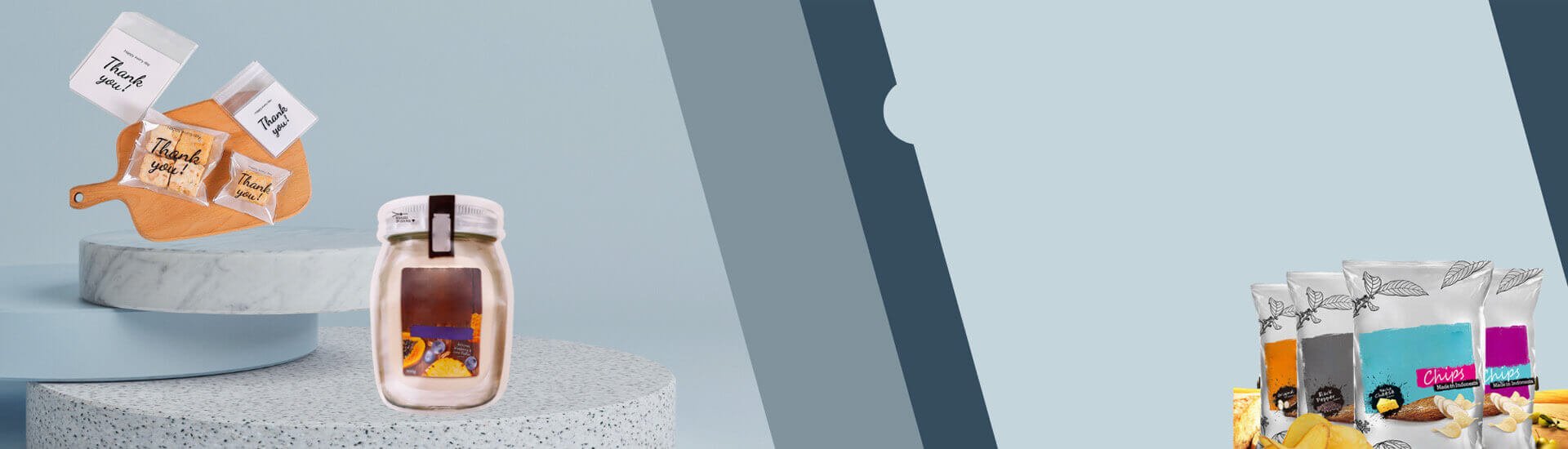
When I develop custom retort bags, I treat the pouch as one part of the buyer's thermal-processing system. I do not replace the buyer's process authority, food specialist, or regulatory team.
What Product and Process Data Should Buyers Provide First?
A material name cannot define a safe retort package. The food, fill, container size, sealing method, and thermal process all change the required performance.
I request the food type, formulation, fill weight, pouch dimensions, filling temperature, sealing equipment, residual-air target, retort method, process conditions, cooling method, storage plan, and destination market before selecting a structure.

I separate packaging selection from process approval
I use the buyer's verified process information to guide the package discussion. I do not invent a retort time or temperature. I also do not claim that a film structure makes a food process safe. For regulated low-acid or acidified foods, the processor must work with qualified specialists and follow the rules for the intended market. The FDA guidance for low-acid canned food inspections explains why flexible-pouch processing depends on factors such as residual gas, seal condition, and heat penetration.
I ask whether the product contains bones, shells, sharp particles, oils, acids, or other ingredients that may affect the pouch. I ask how the product is filled and whether the seal area can become contaminated. I also ask how pouches are arranged in retort racks or trays because pouch thickness and orientation can affect the process established by the buyer's process authority.
| Buyer input | Why I need it | Who should confirm it |
|---|---|---|
| Product and formulation | Contact and processing conditions vary | Buyer and food specialist |
| Fill weight and pouch size | Filled thickness and headspace change | Buyer and process authority |
| Retort method | Heat and pressure exposure differ | Processor and process authority |
| Seal equipment | The pouch must run on the actual line | Buyer and equipment team |
| Destination market | Documentation duties can change | Buyer and regulatory adviser |
| Storage and distribution | Handling stress continues after retort | Buyer and logistics team |
I use one written input sheet so the packaging quotation, sample, and later approval refer to the same conditions.
How Should Buyers Validate the Seal Before Retorting?
A strong laminate cannot rescue a contaminated or poorly formed seal. Small wrinkles, product residue, or unstable settings can create a hidden failure path.
I validate seal width, appearance, alignment, contamination control, and a stable sealing window on the buyer's equipment. I compare sealed samples across normal operating variation before the retort trial begins.
I test the process, not one attractive sample
I start with the finished pouch dimensions and the available top-seal area. I check whether the filling operation can keep product, oil, moisture, and particles away from the seal. I review the sealing jaws, pressure, dwell control, temperature control, cooling, and operator method. The equipment team must establish and monitor the settings that work on its line.
I do not approve a pouch because one seal looks smooth. I ask for samples from different positions in a production run. I compare the center and edges of the seal. I look for channels, folds, wrinkles, scorching, distortion, incomplete bonding, and product contamination. I also check whether the pouch tracks consistently through the equipment.
| Pre-retort check | Question I ask | Evidence to retain |
|---|---|---|
| Seal appearance | Are folds, channels, and contamination absent? | Inspection record and sample |
| Seal dimensions | Does the seal match the approved drawing? | Measured results |
| Operating window | Can normal settings produce repeatable seals? | Qualified setting range |
| Filling control | Does product stay out of the seal zone? | Line observation and work method |
| Pouch alignment | Does the pouch enter the jaws consistently? | Machine trial record |
| Sampling plan | Are different times and line positions checked? | Lot and sample identification |
I recommend that the buyer define acceptance criteria with its packaging, quality, equipment, and process specialists. I then match the approved pouch specification to those criteria instead of using a generic pass statement.
What Should Buyers Check After the Retort Cycle?
Pre-retort results show only the starting condition. Heat, pressure, cooling, racks, conveyors, and manual handling can reveal defects that were invisible before processing.
I inspect post-retort pouches for seal damage, channels, delamination, distortion, punctures, abrasion, leakage, and changes near folds or edges. I compare the findings with agreed integrity tests and acceptance criteria.
I inspect the whole pouch after processing
I let the buyer's qualified team run the approved thermal process. I then compare processed samples with the pre-retort controls. I inspect the top seal, side seals, corners, folds, and body panels. I look for layer separation, bubbles, cracking, curling, discoloration, sharp creases, scuffing, and pinhole risk. I also check whether racks, trays, conveyors, or other surfaces have marked or damaged the pouch.
The Canadian Food Inspection Agency's flexible retort pouch defects guide explains that the package needs structural integrity through retort and normal handling. The FDA also publishes methods for the examination of flexible and semirigid food containers. I use official guidance as a reference point, but the buyer's specialists must select suitable tests and acceptance limits for the exact product and market.
| Post-retort area | Possible observation | Next decision |
|---|---|---|
| Top and side seals | Channel, wrinkle, opening, or distortion | Investigate seal and process conditions |
| Laminate surface | Bubble, crack, or separation | Review material and thermal exposure |
| Corners and folds | Stress mark, abrasion, or pinhole | Review pouch design and handling |
| Pouch shape | Excess swelling or uneven thickness | Review fill, residual air, and loading |
| Cooling and drying | Water, stain, or handling damage | Review cooling and post-process controls |
| Carton packing | Direct pressure on vulnerable areas | Change orientation or protection plan |
I do not treat a visual check as the only integrity test. I combine it with the buyer's approved destructive, leak, seal, and distribution checks.
What Records Should Control the Bulk Order?
A successful trial can still be lost when the drawing, material code, seal method, or process changes later. Clear records protect every repeat order.
I control bulk production with an approved pouch drawing, material specification, artwork, sample, test record, sealing information, revision number, and change-approval process. Any material or dimension change requires review before use.
I create one traceable approval package
I identify the pouch size, seal layout, material construction, thickness basis, printing reference, batch information, and approved sample. I connect the record to the buyer's product and intended process without claiming that the package supplier controls the food process. I also record which tests were performed, who accepted the result, and which version became the production standard.
I ask the buyer to review any change in product, fill weight, pouch dimensions, laminate, ink, adhesive, sealant, supplier, equipment, loading pattern, retort cycle, cooling, or distribution. A small change can affect more than one part of the system. The buyer's process authority and regulatory team must decide whether process review or filing action is required.
| Controlled item | Record I keep | Trigger for review |
|---|---|---|
| Pouch dimensions | Signed drawing and revision | Size or seal-layout change |
| Material structure | Approved specification and code | Layer, thickness, or supplier change |
| Printing | Approved artwork and color reference | Graphic or ink-system change |
| Physical sample | Identified approved sample | Construction or appearance change |
| Validation | Test conditions and accepted results | Product or process change |
| Production lot | Traceable order and batch record | Complaint or investigation |
At XINYUAN, I provide free artwork and typesetting support. A custom sample may require a sample fee, which I can return or deduct from a later bulk order under the confirmed quotation. Printed patterns may require a plate fee paid to the plate-making factory. A repeat order normally avoids a new plate fee when the printed pattern stays unchanged.
Conclusion
I approve retort pouches through verified process inputs, stable seals, post-retort integrity checks, traceable records, and formal review whenever the product or package changes.