


A closure that feels convenient in a showroom can slow a packing line or waste carton space. We prevent that mismatch by testing the full garment workflow.
Buyers should choose a slider zipper for frequent, easy opening and a press-to-close zipper for a flatter garment bag. Compare packing speed, user dexterity, garment thickness, zipper position, carton density, and total cost. Approve both options with filled samples before bulk production.
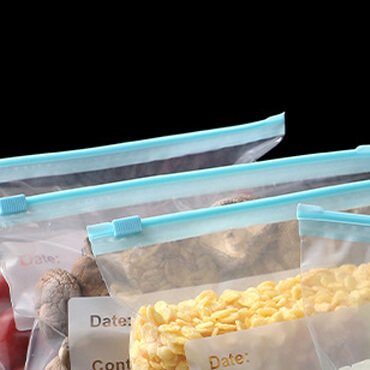
As a packaging manufacturer, we compare closures around the buyer’s actual packing and distribution process. The sections below turn that process into a clear purchasing specification.
Which Closure Better Fits the Packing Workflow?
Buyers often judge a zipper by opening one empty bag. That quick test misses loading speed, alignment, gloves, garment thickness, and repeated handling.
A slider zipper is easier to operate with one guided movement, while a press-to-close zipper requires the two profiles to be aligned and pressed across the opening. Buyers should test both with normal staff, real garments, and the intended packing sequence before choosing.

We map every hand movement
We first ask who will open and close the bag. A factory packer may close thousands of bags with a repeatable motion. A retail employee may open a bag for inspection and close it again. A customer may have limited grip or may expect the closure to work without carefully aligning two tracks. These users can prefer different solutions.
A slider guides the zipper profiles as the operator moves the component across the opening. That action can make closure status easier to see and feel. However, the slider is an additional component. The design must keep it attached, moving freely, and clear of the garment and carton. A press-to-close zipper uses finger pressure along the profiles. It has a flatter construction, but the operator must engage the full width rather than leave a partly open section.
| Workflow question | Slider starting point | Press-to-close starting point |
|---|---|---|
| Will users open the bag often? | Often convenient | Suitable if users can align the profiles |
| Is a guided closing action important? | Strong candidate | Requires manual pressing across the width |
| Must the bag stay very flat? | Slider adds a component | Usually the simpler profile |
| Do packers wear gloves? | Test slider grip and travel | Test finger pressure and zipper alignment |
| Is the garment bulky near the opening? | Check slider clearance | Check profile engagement without fabric interference |
We do not select from these points alone. A real trial should record packing time, incomplete closures, rework, and operator comments. The better zipper is the one that supports the buyer’s normal process consistently, not the one that looks more premium in isolation.
How Does the Zipper Change Usable Bag Size?
A garment may fit the film dimensions yet crowd the zipper. When buyers ignore the closure zone, staff can trap fabric or struggle to close the bag.
Both zipper types reduce usable space near the opening. Buyers should separate the product pocket, zipper zone, top lip, seals, and any slider travel area on a dimensioned drawing, then test the largest normal folded garment.
We size the packed garment before the bag
We ask buyers to measure the garment after it is folded exactly as it will be packed. The package may also contain tissue, a backing card, an insert, spare buttons, or a label. These items change width, length, and thickness. The largest normal pack should slide below the zipper without pressing into the profiles.
The drawing should state whether the quoted length describes the full outside bag or the usable pocket below the zipper. It should mark the top seal or lip, zipper centerline, side seals, opening direction, and slider parking position when a slider is used. Without those reference points, two teams can interpret the same width and length differently.
The slider needs room to travel to both ends. The bag construction should keep the component from obstructing the side-seal area or sitting where it catches another bag. A press-to-close zipper does not need slider travel, but its profiles still need a clean, accessible area. Thick fabric, loose threads, hang tags, and folded corners should stay below that zone.
Our zip-lock bags for clothes page confirms that garment zipper bags are within our product range. The exact material, closure, size, and intended application still require project-specific confirmation.
We recommend approving the size with several garments from the buyer’s normal range. A bag designed only around the smallest style can create rework later. If one bag must cover several sizes, the buyer should compare the cost and packing effect of a common bag against separate sizes rather than assuming one oversized bag is always more efficient.
What Other Costs and Design Effects Should Buyers Compare?
The zipper price is only one part of the decision. Packing labor, carton use, artwork layout, rework, and component handling can change total purchasing value.
Buyers should compare the complete packed system, not just the unit quote. A slider adds a component and visible bulk; a press-to-close zipper relies more on operator alignment. Both options affect artwork space, bag stacking, carton density, inspection, and sourcing specifications.
We compare total use, not a single feature
The slider can support fast, intuitive opening, but its component and assembly requirements can affect the quotation. The press-to-close option is structurally simpler, yet poor engagement at the packing station can create rework. Buyers should therefore request comparable samples and measure the result in their own process.
Carton density also matters for large orders. A protruding closure can change how filled bags stack, especially when every slider sits in the same location. Alternating orientation or adjusting the carton plan may help, but the buyer should test the actual configuration. We do not promise a universal carton saving for either zipper.
Artwork needs a protected area away from the zipper, top lip, seals, and slider path. Important logos, barcodes, care information, and opening instructions should remain readable after the garment is inserted. We provide free artwork and typesetting service, so we can help position graphics after the closure and finished dimensions are confirmed.
| Cost or design item | What the buyer should compare |
|---|---|
| Bag quotation | Same size, material, print, quantity, and packing basis |
| Packing labor | Time per filled bag and number of reclosures |
| Rework | Partly closed zippers, trapped fabric, or slider issues |
| Carton use | Filled-bag stack height and slider position |
| Artwork | Safe areas after closing and filling |
| Inventory | One common size versus several garment-specific sizes |
A printed pattern requires a printing plate, so a plate fee may apply. The fee is paid to the plate-making factory. Reusing the same printing pattern on a later order normally avoids a new plate fee, but changes to bag size, artwork, or production requirements must be reviewed in the confirmed quotation.
What Should Buyers Test Before Bulk Approval?
An empty sample can hide closure and fit problems. Bulk approval needs real garments, real operators, and an agreed inspection method.
Buyers should test loading, closing, reopening, garment removal, zipper alignment, slider retention, artwork appearance, filled stacking, and carton packing. The approved sample and drawing should identify the exact closure type and measurable acceptance criteria.
We build a repeatable approval check
We recommend testing at least the smallest and largest normal garment configurations planned for the bag. Staff should pack them at the normal workstation and use the same folding boards, gloves, tags, tissue, and inserts planned for production. The trial should include repeated opening when the warehouse, retailer, or customer is expected to reuse the bag.
For a slider bag, the buyer should observe whether the slider reaches both ends, remains on the profiles, moves without snagging, and stays clear during stacking. For a press-to-close bag, the buyer should check whether the entire width engages, whether staff can identify an incomplete closure, and whether the garment interferes with the zipper. These are buyer-defined acceptance checks, not universal performance claims.
We can provide free in-stock samples when relevant options are available. A separately produced custom sample may require a sample fee. For a later bulk order, we can return that fee or deduct it from the bulk-order price, subject to the confirmed quotation.
The purchase specification should record:
- Finished bag width and length, with the dimension convention
- Maximum packed garment dimensions and thickness
- Slider or press-to-close zipper type
- Zipper location, top lip, opening direction, and slider parking side
- Material and printing details approved for the project
- Required opening and closing sequence
- Carton quantity, orientation, and packing method
- Approved sample reference and inspection criteria
Our custom zipper bags page provides another relevant product reference. Buyers can also use our custom flexible packaging RFQ guide to organize the request before quotation.
Conclusion
Choose sliders for guided frequent access and press-to-close zippers for a flatter, simpler bag, then verify usable size, workflow, artwork, stacking, and filled samples.