


A small hang-hole choice can create a crooked display, crowded header, or torn pouch when the actual retail hook and filled package are never tested together.
Choose a round hole for a simple single-hook display and consider a Euro slot when the retailer uses that fixture or the pouch needs a wider hanging interface. Final selection must follow the actual hook, filled weight, header layout, and hanging test.

At XINYUAN, we treat the hang hole as a functional part of the package rather than a decorative cut. These three questions help buyers build an approval-ready specification.
Which retail display system will hold the pouch?
Buyers often choose a hole from a product photo before confirming the retailer's fixture. The finished pouch may then fit poorly, rotate, crowd nearby products, or fail to load.
The retail hook or peg should decide the opening geometry. Buyers must confirm the hook shape, diameter, usable length, loading method, product spacing, and retailer preference before choosing a round hole or Euro slot.
Start with the fixture, not the artwork
We first ask where and how the pouch will hang. A single straight peg, double-prong fixture, clip strip, or retailer-specific rack can require a different opening and loading motion. The purchasing team should obtain the fixture specification from the retailer whenever possible. If no drawing exists, clear photos and a physical hook sample are more useful than guessing from a store image.
A round hole creates a compact contact point and a visually simple header. A Euro slot creates a wider opening shape. Neither option is automatically correct for every pouch. The useful choice is the one that loads easily onto the intended fixture and holds the filled package in the planned orientation.
The merchandising plan also matters. Buyers should confirm whether staff load pouches from the hook end, whether shoppers slide products forward, and how many units sit on one peg. A hole that fits one stationary sample may still be awkward during repeated stocking and removal. We recommend evaluating the complete display row, not only a single hanging pouch.
| Retail input | Question for the buyer | Evidence to provide |
|---|---|---|
| Hook or peg shape | Which opening geometry fits without forcing? | Drawing, photo, or physical sample |
| Hook diameter | Does the pouch slide on and off normally? | Measured fixture detail |
| Usable peg length | How many filled pouches must fit? | Planned facings and pack depth |
| Product spacing | Will the pouch rotate or cover nearby items? | Shelf-plan image or mock-up |
| Retailer requirement | Does the store specify a hole style? | Written merchandising guide |
Our stand-up pouch page shows a relevant format for shelf or hanging presentation. The final hole decision should still come from the actual retail fixture.
How do filled weight and the top layout affect the hole choice?
An empty pouch can hang neatly while the filled version stretches, leans, or pulls at the header. The zipper, seal, notch, and artwork also compete for limited top space.
Buyers should evaluate the hole with the filled gross weight and the complete header layout. The hole needs enough surrounding material and clearance from seals, edges, zipper, tear path, and critical artwork.
Map every feature on one dieline
We recommend beginning with the finished pouch size, target fill, and expected gross weight. The designer should then mark the top cut edge, sealed areas, zipper, tear notch and tear path, hole outline, coding area, and important graphics. Reviewing these elements together prevents one feature from taking space needed by another.
The product can change the hanging behavior. Dense contents may concentrate weight low in the pouch. Large pieces may shift as shoppers handle the package. A wide pouch may rotate differently from a narrow one. We do not use these observations to promise a universal load limit. Instead, we use them to define the physical sample and hanging test that the buyer should approve.
The pouch format also affects the header. A small snack bag may have very little space above a zipper, while a larger dog food bag can require a different display and handling plan. Buyers should not copy the same hole dimensions across SKUs without checking each dieline and filled weight.
Artwork needs its own clearance. A logo, product name, opening instruction, or date-code area should not be cut by the hole or hidden by the retail hook. We provide free artwork and typesetting service, which is most effective after the buyer supplies all functional positions.
| Header element | Possible conflict | Approval check |
|---|---|---|
| Top seal | The punch may enter a functional seal area | Mark the usable punch zone |
| Zipper | The header may become too shallow | Check opening and reclosure after hanging |
| Tear notch | The tear path may approach the hole | Test the intended first opening |
| Artwork | The hook or cutout may cover key information | Review an actual-size proof |
| Filled weight | The header may distort or the pouch may lean | Hang a representative filled sample |
Our integrated production system covers raw-material production through finished products. We use that organization to keep the approved hole position connected with the artwork, pouch-making, and inspection requirements.
What should buyers test before approving bulk production?
A desk review confirms dimensions but cannot reproduce stocking, shopper handling, long display periods, or movement during distribution. A structured physical trial gives the buyer better evidence.
Buyers should test hook fit, loading, removal, filled hanging, pouch orientation, header condition, opening, reclosure, and pack-out with representative samples before approving bulk production.
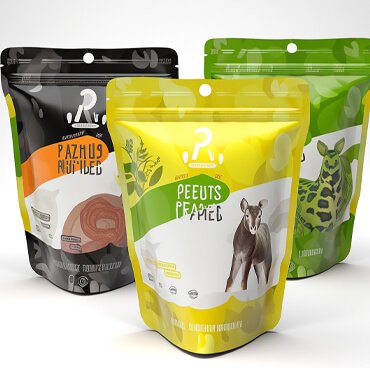
Build a practical approval test
We suggest starting with free in-stock samples when they can help compare general pouch formats and hole concepts. An in-stock sample may not match the final material, dimensions, fill weight, artwork, or feature positions. The buyer should record what the sample proves and what still requires custom verification.
A separately produced custom sample may require a sample fee. For a later bulk order, we can return that fee or deduct it from the bulk-order price, subject to the confirmed quotation. If custom printing uses a printed pattern, a printing plate and plate fee may also apply. That fee is paid to the plate-making factory. If the same printing pattern is reused later, a new plate fee is normally not needed.
The buyer should fill the sample with representative contents and place it on the real hook. Staff should load and remove the pouch several times using normal store motions. The team should observe whether the header remains flat, the hole edge changes, the pouch faces forward, and the zipper and tear notch still work as intended. The sales carton should also be checked so the hole area is not bent or trapped during pack-out.
The approval record should name the sample version, pouch specification, fill weight, hook type, test duration chosen by the buyer, observations, and approver. We avoid inventing a universal hanging duration or acceptance load because the buyer's retail program should define those conditions.
| Test | What to observe | Record to keep |
|---|---|---|
| Fixture fit | The pouch loads and removes without forcing | Hook details and photos |
| Filled hanging | The pouch faces correctly and the header stays acceptable | Fill weight and observations |
| Repeated handling | Stocking motions do not create unacceptable damage | Handling count chosen by buyer |
| Consumer opening | Tear notch and zipper remain usable | Opening notes |
| Carton pack-out | The header arrives in usable condition | Carton arrangement and photos |
Buyers can send the pouch dimensions, product and fill weight, retail fixture details, preferred hole concept, artwork, quantity, and sample goal through our contact page. That information lets us review the feature without guessing.
Conclusion
Choose a round hole or Euro slot by matching the real retail fixture, filled pouch, complete header layout, and documented physical hanging test.