


A snack format can look right in a mockup yet run poorly, waste case space, or frustrate users. I compare the entire packing and selling system.
I choose a pillow pouch for single-serve snacks when compact packs and form-fill-seal output lead the decision. I choose a stand-up pouch when upright display or reclosure matters. The final choice must match the product, portion, equipment, merchandising, and case pack.
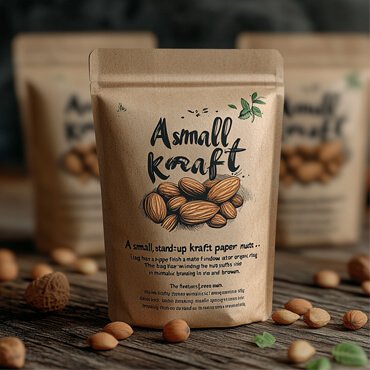
The following comparison helps a buyer move from a visual preference to a format specification that purchasing, production, sales, and quality teams can approve together.
What Is the Practical Difference Between the Two Snack Pouches?
Both formats use flexible material, but their shapes change how they are made, displayed, opened, filled, and packed.
A pillow pouch forms around the product with top, bottom, and back seals. A stand-up pouch uses a bottom gusset to create a base. That base supports upright presentation but adds format details that the buyer must coordinate with filling and packing.
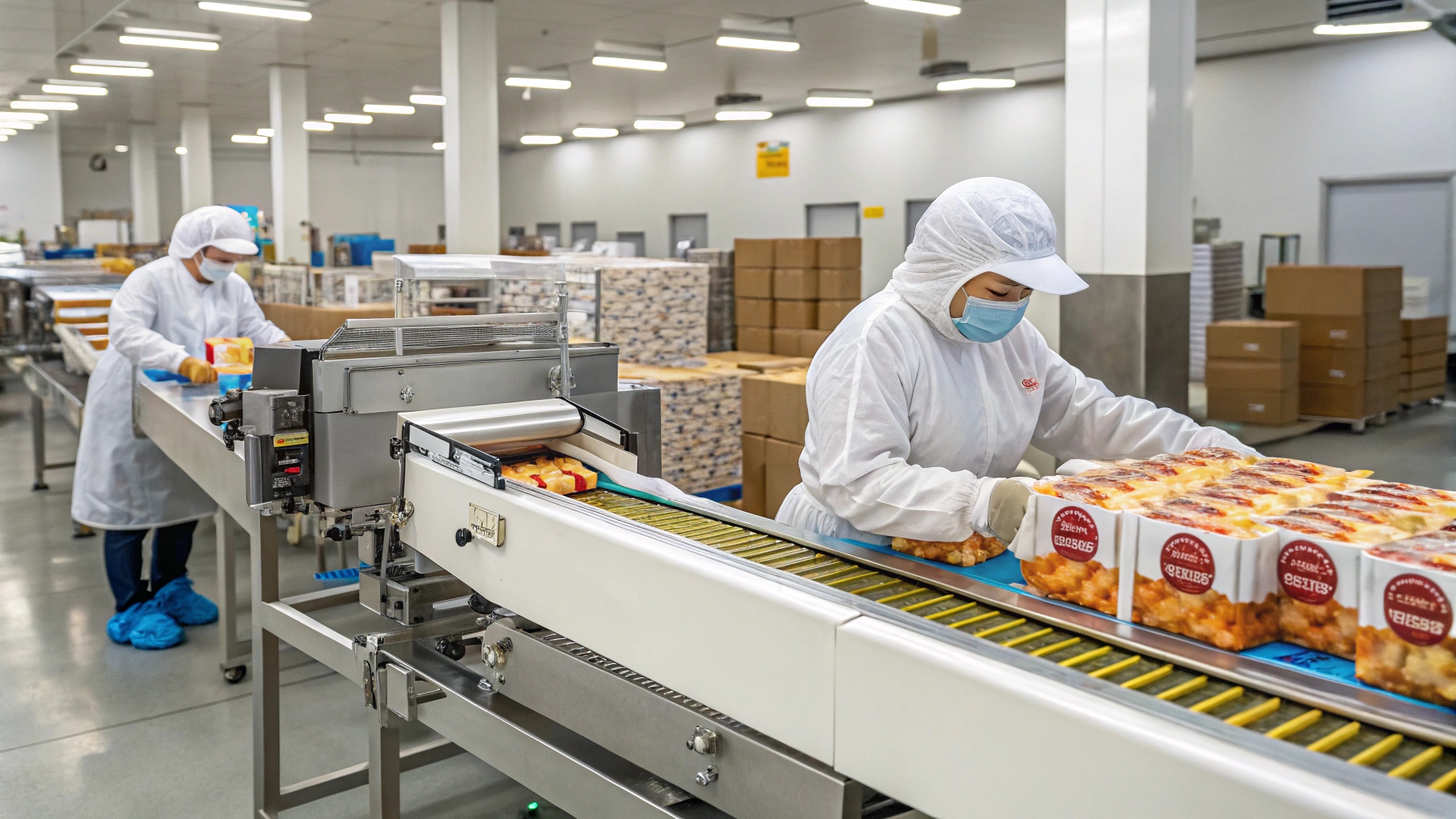
Compare finished functions
I begin with the package shape after filling. A pillow pouch normally lies flat or rests on its product. It works well when the bag will hang, sit in a display carton, move through a vending channel, or be sold as part of a multipack. The simple form also fits many single-use snack occasions. However, the pack does not create an upright base by itself.
A stand-up pouch opens its bottom gusset as product enters. The expanded base can support an upright retail presentation when the product, fill level, dimensions, and gusset design work together. The format can also accept features such as a zipper, although a zipper is not automatically necessary for a true single-serving portion.
| Decision point | Pillow pouch | Stand-up pouch |
|---|---|---|
| Typical shelf position | Flat, hung, or supported by a display | Intended to stand on its base |
| Bottom construction | No stand-up bottom gusset | Expandable bottom gusset |
| Common supply route | Often formed from rollstock | Pre-made or formed on suitable equipment |
| Reclosure | Less common for one-time use | Often considered for multi-use portions |
| Artwork planning | Front, back, and back-seal allowances | Front, back, gusset, seals, and optional zipper zones |
I do not label either structure as universally better. The correct format is the one that completes the buyer's required tasks with the fewest unresolved compromises. A physical filled sample is important because an empty pouch cannot show how the base opens, where the product settles, or how the graphics appear after expansion.
Which Format Better Matches the Portion and Buying Occasion?
The phrase “single serve” sounds precise, yet the same snack may be eaten immediately, saved briefly, shared, or carried in another bag.
I match the pouch to the actual consumption occasion. Pillow pouches suit many open-and-finish portions. Stand-up pouches deserve consideration when the pack must remain upright, support repeated access, or present a larger front panel after filling.

Define what the user does after opening
I ask whether the intended portion will normally be finished in one sitting. If the answer is yes, a tear feature and accessible opening may matter more than a zipper. Adding reclosure to every small pack can consume usable top space and complicate the format without solving a common user need. If consumers are likely to pause, share, or store the product after opening, the buyer should test whether reclosure provides real value.
Product behavior also matters. Small, dense pieces settle differently from fragile, airy snacks. Powder, crumbs, oil, seasoning, and irregular pieces can influence headspace, opening cleanliness, seal preparation, and the way the pack looks on display. I require the real product or a clearly described equivalent before final sizing.
| Buyer question | If the answer is “yes” | Format implication to test |
|---|---|---|
| Is the portion normally finished immediately? | Opening is usually one-time | Start with a pillow pouch or simple stand-up pouch |
| Must the pack stand without display support? | Upright presentation is essential | Test a stand-up pouch with the real fill |
| Will users access the snack more than once? | Reclosure may be useful | Evaluate zipper access and top headspace |
| Will packs go into a multipack? | Outer-pack efficiency matters | Compare filled dimensions and count per case |
| Is the product fragile or irregular? | Product movement affects appearance | Run filled handling and compression trials |
The buyer should also define where the pack will sell. A checkout hook, shelf tray, vending spiral, e-commerce assortment, and club-store multipack impose different space and orientation requirements. I use these facts to prevent an attractive pouch from becoming an awkward distribution unit.
How Does Filling Equipment Change the Pouch Choice?
A format approved by marketing can still fail commercially when the existing line cannot form, open, fill, index, or seal it consistently.
Buyers should identify whether their line uses rollstock or pre-made pouches, then confirm supported bag styles, maximum dimensions, registration requirements, seal layout, and output targets with the equipment maker before ordering packaging.
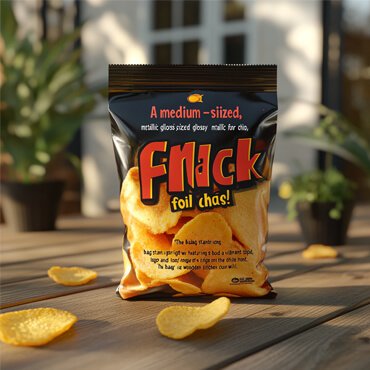
Start with the machine model
I ask for the equipment manufacturer, exact model, forming set, sealing arrangement, film-width range, registration system, and any approved pouch drawing. A vertical form-fill-seal line may create a pillow pouch from rollstock during packing. A pre-made pouch line receives finished bags and must pick, open, fill, and seal the selected format. Some equipment can produce or handle multiple styles, but the buyer should not assume compatibility from a broad machine category.
The sealing layout must match the artwork file. On rollstock, the repeat length, web width, unwind direction, eye-mark position, and back-seal location connect directly to the machine. On a pre-made stand-up pouch, the top remains open for filling, so the buyer must reserve clean headspace for opening, handling, and final sealing. Optional zippers and tear features also need coordinated positions.
| Packing input | Information I request | What it controls |
|---|---|---|
| Machine | Maker, model, and supported format | Basic format compatibility |
| Material supply | Rollstock or pre-made bag | Converting and filling route |
| Web or pouch size | Allowed width, length, and tolerances | Machine fit and product capacity |
| Print registration | Sensor and eye-mark requirements | Cut position and artwork repeat |
| Sealing | Jaw layout and available top area | Seal placement and closure clearance |
| Output plan | Target rate and changeover needs | Practical production evaluation |
Buyers can review our snack bag page to identify relevant flexible packaging examples. I still base a custom recommendation on the actual product and line data. XINYUAN also provides free artwork and typesetting service, which helps us place artwork only after the structural and machine zones are defined.
What Should Buyers Test Before Approving the Final Format?
A flat proof confirms colors and text positions, but it cannot prove standing behavior, line performance, opening experience, or case efficiency.
Buyers should test representative filled packs on the intended line and through the planned sales pack. They should record machinability, seals, opening, standing behavior, product damage, dimensions, artwork appearance, and units per carton against written acceptance criteria.
Compare both formats under the same conditions
I recommend a controlled comparison when the format decision remains open. The buyer should use the same product, target fill, handling route, and evaluation team for both options. The team should identify every sample by drawing revision so comments do not mix different sizes or constructions.
The line trial should cover feeding or web tracking, opening, filling accuracy, product in the seal zone, seal appearance, cutting, and discharge. The user trial should cover grip, tear behavior, access to the snack, pouring or eating from the pack, and reclosure if included. The distribution trial should cover filled dimensions, carton orientation, pack count, compression under the buyer's normal conditions, and the appearance of packs after handling.
| Approval area | Evidence to record | Decision question |
|---|---|---|
| Production | Settings, speed, stoppages, and rejected packs | Can the line repeat the result? |
| Closure | Seal appearance and buyer-selected tests | Does the package meet written limits? |
| User task | Opening, access, and optional reclosure | Can users complete the intended action? |
| Display | Filled shape and artwork position | Does the pack present as planned? |
| Case pack | Orientation, count, and filled case condition | Does the format fit distribution needs? |
XINYUAN provides free in-stock samples when a suitable example is available. A separately made custom sample may require a sample fee. Subject to the confirmed quotation, I can return that fee or deduct it from a later bulk-order price. A printed design may also require a printing plate fee paid to the plate-making factory. The same printing pattern normally does not require a new plate fee on a later order. I clarify these stages so the buyer can use an unprinted structural trial before committing to final graphics and bulk production.
Conclusion
I choose pillow or stand-up snack pouches by matching portion use, merchandising, equipment, artwork, and case packing, then confirming the decision with representative filled trials.