


A paper shopping bag can look premium while empty yet sag, tilt, or crease when the real product reaches the counter, carton, or customer.
Buyers should add a bottom board when the product needs a flatter base, wider load distribution, or better shape while carried and displayed. The decision should follow filled-bag testing with the actual product, paper bag structure, handles, moisture exposure, and packing method.

I will explain what an insert can and cannot solve, when to omit it, how to specify it, and which approval tests reduce bulk-order risk.
What Problems Can a Bottom Board Solve in a Paper Shopping Bag?
A weak-looking base may come from poor size, folding, paper, glue, or packing, so adding a board without finding the cause can waste money.
A bottom board can spread contact across the bag base, help flat products sit level, reduce local pressure from corners, and support a cleaner filled shape. It does not replace suitable paper, correct bag dimensions, sound bottom construction, secure handles, or testing for the intended load.

Separate load distribution from load capacity
When I review a custom paper bag at XINYUAN, I first ask what the buyer wants the insert to change. A board placed inside the base can create a flatter platform. It can distribute contact from a box, jar, gift set, or several small items across a wider area. It can also make the bag hold a more defined shape during filling, display, and photography.
However, the insert does not make every other part of the bag stronger. The bag still depends on the paper body, folded bottom, adhesive areas, handle attachments, and the way the user carries it. If a heavy product causes failure at the handle patch, a firmer base does not repair that weak point. If the bag is too narrow, a board cannot create missing space.
| Observed problem | A bottom board may help when | Another change may be more important when |
|---|---|---|
| Base sags | The load is concentrated in a small footprint | The paper or bottom construction is unsuitable |
| Product tilts | The item needs a flatter platform | The bag depth does not match the product |
| Corners make dents | A rigid package presses on limited points | The item has sharp edges that need separate protection |
| Bag looks collapsed | A defined base improves presentation | Side panels, gussets, or paper stiffness are the main issue |
| Bag fails while carried | The base is the confirmed weak area | Handles or handle attachments fail first |
I recommend testing the complete system rather than rating the board alone. The decision should reflect the actual product arrangement, maximum planned fill, carrying method, and display expectation.
When Is a Bottom Insert Unnecessary or Unhelpful?
Extra reinforcement can increase unit cost, packing steps, shipping volume, and material use without improving the buyer's real application.
A bottom insert may be unnecessary for light, flexible, evenly distributed products when the bag already holds its shape and passes filled-use tests. It may be unhelpful when the actual problem is poor sizing, weak handles, sharp contents, moisture, or an unsuitable folded-bottom design.
Diagnose the bag before adding a component
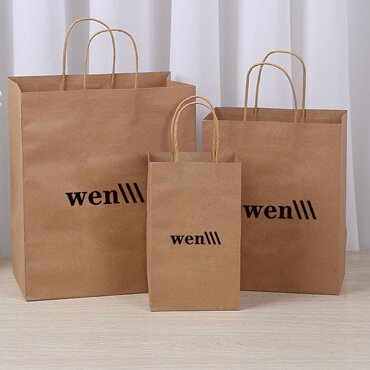
I avoid recommending a reinforcement simply because a bag feels soft while empty. An empty paper carrier and a filled carrier behave differently. Clothing, textiles, or other light flexible products may spread across the bottom without creating a severe pressure point. If the chosen bag already loads, carries, stands, and displays as required, an insert may add work without solving a real problem.
The buyer should also identify the actual failure location. A bag that tears near the handle needs attention at the handle system and top reinforcement. A bag that buckles because the product barely fits may need more width or gusset depth. A sharp package corner may require product cushioning or a different arrangement. Moisture or condensation can change paper behavior, so the packing environment may matter more than base stiffness.
| Sign during testing | Likely next question |
|---|---|
| Handles stretch or detach | Are the handle type, attachment, top fold, and load appropriate? |
| Bottom seam opens | Is the folded and glued base suitable for the product and process? |
| Side panels bow strongly | Does the bag size or gusset match the filled product shape? |
| Board slides or curls | Are its dimensions, stiffness, placement, and storage conditions correct? |
| Bag performs well without a board | Does the insert create enough measurable value to keep it? |
A removable insert can also complicate packing. Operators must place it in the correct orientation, and loose boards must be counted, stored, and kept with the right bag size. An integrated reinforcement may change manufacturing and folding. The sourcing team should compare both the performance gain and the operational cost before approving either option.
How Should Buyers Specify the Bottom Board Size and Construction?
“Add cardboard” is not a complete specification. An oversized insert can catch folds or buckle, while an undersized insert can move and leave unsupported edges.
Buyers should specify the insert's finished length, width, thickness or stiffness target, material, color, grain or orientation if relevant, corner shape, surface finish, placement, and whether it is loose or fixed. Dimensions should follow the usable finished base, not the bag's outside panel size.
Size the insert from the finished internal base
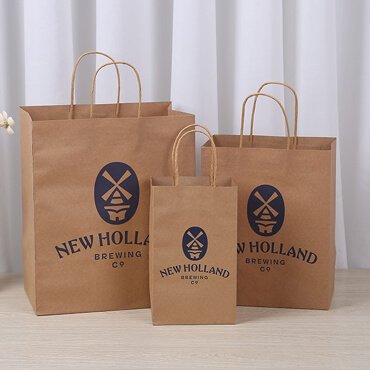
I recommend measuring the usable inside bottom after the bag is formed. The printed panel width and stated gusset depth do not automatically equal the available flat base. Folds, adhesive zones, paper thickness, and production tolerances can reduce the space. The board needs enough clearance to lie flat without pushing into the side gussets or disturbing the bottom folds.
Corner treatment matters as well. Square corners may align with some rectangular products, while rounded or clipped corners can make manual insertion easier and reduce catching. The correct choice depends on the bag geometry and packing process. I do not use one universal clearance or board thickness because paper structure, bag size, load, presentation, and insertion method vary.
| Specification field | Buyer decision |
|---|---|
| Finished size | Length and width based on the usable internal base |
| Dimensional clearance | Space needed to insert the board and avoid folds |
| Stiffness | Performance needed under the real filled product |
| Material and color | Appearance, contact conditions, and project requirements |
| Corner shape | Square, rounded, clipped, or another approved profile |
| Placement | Loose, pre-inserted, fixed, or integrated into construction |
| Visible surface | Whether the board must match the interior presentation |
The buyer should mark the board on the same dimensioned drawing as the bag. That drawing should also show the bag width, height, gusset, bottom fold, handle location, and any top or base reinforcement. Our paper bags with handles can be customized for size, color, and printing, but every added structural feature still requires project-specific confirmation.
What Should Buyers Test and Include in the RFQ?
A board that passes a quick desk check may still slow packing, move during transport, show through light paper, or fail to support the full product mix.
Buyers should test the complete filled bag for insertion speed, base flatness, standing, carrying, handle performance, board movement, product corners, carton packing, moisture exposure, and appearance. The RFQ should identify the product, maximum load, arrangement, bag construction, insert specification, packing method, and approval sample.

Compare controlled samples with and without the board
I recommend a side-by-side trial. The two samples should use the same bag dimensions, paper body, handles, printing, product quantity, and packing arrangement. The only planned change should be the insert. This comparison shows whether the board provides a real advantage or merely changes how the empty bag feels.
Operators should pack several bags, not one display sample. They should record whether the board lies flat, how quickly it is placed, whether it catches the gussets, and whether it moves under the product. The filled bags should then be lifted, carried, set down, arranged in the expected carton, and viewed from the customer-facing angles. The test should use the buyer's highest planned normal load and representative product variation.
| RFQ group | Information to provide |
|---|---|
| Contents | Product dimensions, shape, quantity, arrangement, and maximum planned load |
| Bag | Finished size, paper structure, bottom style, handles, and reinforcement areas |
| Insert | Size, stiffness target, material, color, corners, and loose or fixed placement |
| Workflow | Manual or automatic bag opening, board insertion, loading, and carton packing |
| Environment | Expected moisture, condensation, storage, display, and transport conditions |
| Approval | Drawing revision, sample ID, test method, acceptance criteria, and approver |
XINYUAN provides free in-stock samples for initial style and material review. A separately produced custom sample may require a sample fee. If a later bulk order follows, we can return or deduct that fee from the bulk-order price, subject to the confirmed quotation. We also provide free artwork and typesetting service. If the design requires printing plates, a plate fee may apply and is paid to the plate-making factory; reusing the same confirmed pattern later normally avoids a new plate fee.
Our equipment, experienced employees, and integrated production organization support large orders and long-term supply as an operating focus. A controlled drawing and a filled approval sample help us keep the bag, insert, print, packing, and reorder aligned.
Conclusion
Add a bottom board only when filled testing proves better load distribution, shape, or presentation, then control its dimensions, placement, workflow, and approval record.