


Plate fees often surprise packaging buyers, and unclear reuse rules can turn a simple reorder into an unexpected cost, delay, or artwork dispute.
Buyers normally avoid a new plate fee when they reorder the exact same confirmed pattern. Changes to artwork, size, layout, colors, or print specifications may require new plates, so every revision needs supplier review before production.
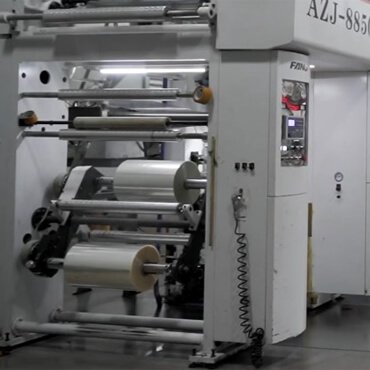
At XINYUAN, we recommend treating plates, artwork, and pouch specifications as one controlled record. The three questions below help buyers understand when reuse is reasonable and when a new quotation is necessary.
When can an existing printing plate be reused for a repeat order?
A buyer may call an order “the same” while purchasing and production teams are comparing different files, dimensions, or SKU versions. That mismatch can cause avoidable rework.
An existing plate can normally be reused when the printing pattern and the related production setup remain unchanged and the plate is available for reuse. Buyers should verify the approved artwork version, pouch size, print orientation, and supplier record before assuming that no new fee applies.
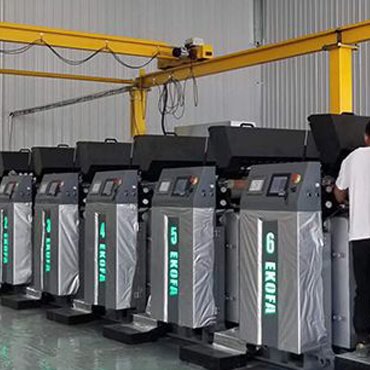
Define an exact repeat in writing
At XINYUAN, a printed pattern requires a printing plate, so a plate fee may apply. The fee is paid to the plate-making factory. If the same printing pattern is reused in a later order, a new plate fee is normally not needed. We still recommend confirming reuse on the repeat quotation because the word “same” must refer to a specific approved job.
The buyer should give us the earlier purchase order, product code, final artwork filename, pouch dimensions, and any plate or version reference shown in the previous documents. A photo of the finished bag can help identify the item, but it should not replace the production file. Printed photos can hide small text differences, color separations, and orientation details.
The repeat order should also keep the applicable printing and bag specifications aligned. A buyer may want the same front design on a different pouch width or with a different layout. That is not automatically an exact repeat. The supplier needs to compare the production requirements before confirming plate reuse.
| Repeat-order item | Evidence to provide | Why it matters |
|---|---|---|
| Previous order | Purchase order or product reference | Identifies the original job |
| Approved artwork | Final filename and proof version | Prevents use of an older draft |
| Pouch specification | Size, format, and print orientation | Confirms the design still fits the setup |
| Requested quantity | Current order quantity | Supports a complete new quotation |
| Requested changes | Written statement of “none” or a change list | Removes ambiguity |
Our custom packaging page is a useful starting point for a made-to-order project. For a reorder, the strongest starting point is the full approved record from the original production.
Which packaging changes may require new printing plates?
A revision can look minor on screen but alter the fixed printed image. Buyers should never approve a change and assume the original tooling will still work.
Any change that affects printed content, color separation, dimensions, repeat layout, orientation, or the relationship between artwork and pouch features may require new plates. The supplier should identify which plates are affected and quote them before production.
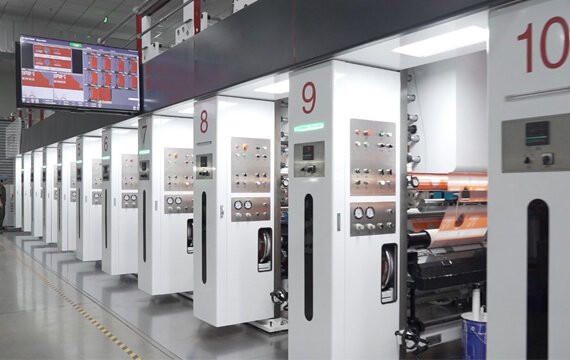
Review the effect, not the size of the edit
Buyers often describe an edit as “only one word” or “only a small logo.” The commercial importance of the edit does not determine its production effect. If the changed element is part of a fixed plate image, the supplier may need to replace the affected plate. A new flavor name, revised ingredient panel, changed barcode area, promotional badge, or updated importer information should therefore be reviewed before the buyer requests an exact-repeat price.
Size changes require similar care. Artwork built for one stand-up pouch may not transfer directly to another width, height, or gusset. The print repeat, panel positions, folds, seals, zipper, and cut lines can move. Even when the visual design remains familiar, the production layout may be different.
Color changes also need a technical review. The buyer should mark whether a color is being replaced, removed, added, or only described differently. We should not guess from an on-screen file. The approved proof and final color instructions must match the plate quotation.
| Requested change | Why review is needed | Buyer action |
|---|---|---|
| Text or legal-copy update | The fixed printed image changes | Submit the complete revised artwork |
| Logo, badge, or illustration change | One or more image areas change | Highlight every revision |
| New SKU or flavor | The design may share some elements but not others | Request a SKU-by-SKU plate review |
| Pouch dimension change | Panel and repeat geometry may change | Obtain a new dieline before adapting art |
| Color change | Color separation may change | Provide final color instructions |
| Feature relocation | Artwork may need to move around zipper, window, or spout | Approve a revised production proof |
We provide free artwork and typesetting service. That help is most useful before plate production, when the buyer can consolidate revisions into one approved file instead of making scattered changes after tooling has been ordered.
What should buyers confirm before paying a plate fee or placing a reorder?
A vague invoice line called “plate charge” gives a buyer too little control. The quotation should connect the fee to the approved artwork and repeat-order conditions.
Before payment, buyers should confirm the print method, artwork version, affected plate set, quoted fee, reuse terms, and approval deadline. For a reorder, they should obtain written confirmation that the saved pattern and current specification match.
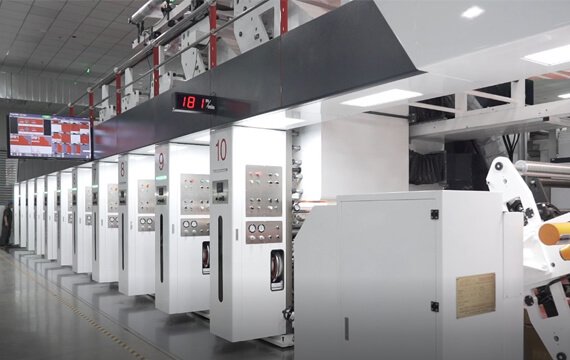
Build a simple plate-control record
We recommend assigning each design a stable internal SKU and artwork revision code. The purchasing file should contain the signed proof, dieline, color instructions, pouch specifications, quotation, and payment record. The buyer should also note which artwork version was actually produced. This record makes later reorders faster to review and reduces the risk of choosing a draft from email history.
Before a new plate is made, the buyer should check every printed element at actual size. The review should include spelling, numbers, barcode artwork, logos, reading direction, front and back orientation, feature clearances, and the relationship between the design and the finished pouch. We do not present this review as legal or regulatory approval. The buyer remains responsible for confirming the claims and required information for the destination market.
When a separately produced custom sample is useful, a sample fee may apply. For a later bulk order, we can return that fee or deduct it from the bulk-order price, subject to the confirmed quotation. The sample fee and plate fee should appear as separate items because they cover different work.
For repeat orders, buyers should ask for a fresh quotation rather than copying the old total. Materials, quantity, production scope, and shipping arrangements may differ even when the plate can be reused. Plate reuse removes one possible tooling charge; it does not guarantee that every other price remains unchanged.
| Confirmation point | New printed order | Exact-repeat order |
|---|---|---|
| Artwork version | Approve the final production file | Match the previous approved file |
| Plate requirement | Confirm the affected set and fee | Confirm availability and reuse in writing |
| Pouch specification | Approve dimensions and features | Verify no specification change |
| Commercial terms | Separate plate, sample, product, and shipping items | Request a current quotation |
| Responsibility | Buyer confirms content; supplier confirms production file | Both parties confirm the repeat reference |
Buyers can send the prior order reference, current artwork, pouch specification, change list, and quantity through our contact page. A complete comparison lets us identify an exact repeat or quote the necessary changes clearly.
Conclusion
Exact-repeat packaging usually avoids a new plate fee, but every artwork or specification change should receive a documented plate review and current quotation before production.