


Spout pouch buyers often choose a cap by appearance, then discover that opening evidence, filling, and customer handling were never defined. I specify those decisions together.
I recommend a tamper-evident cap when buyers need visible evidence of first opening. I specify the cap, matching spout, filling sequence, and opening indicator together, then approve a filled sample.

I treat the cap as one part of the pouch system. The following checks help buyers turn a general cap request into an inspectable specification.
What does a tamper-evident cap change on a spout pouch?
A cap can close a spout without showing whether someone opened it. Buyers need to separate reclosure from visible first-opening evidence.
A tamper-evident cap includes a feature that changes, breaks, or separates when the package is opened for the first time. The exact feature must be identified on the approved component.

Separate evidence from sealing
I first ask what the buyer wants a customer or receiver to observe. A cap may provide a tight closure after opening, but that alone does not tell the user whether the pouch was previously opened. A ring, band, bridge, or breakaway feature can provide visible change, but the buyer must approve the specific design.
I also ask whether the pouch is filled through the spout or through an open edge. XINYUAN’s spout bag page gives buyers a product reference, while the final cap choice depends on the filling and capping sequence. A component that fits a manually capped pouch may require a different handling setup on an automatic line.
The cap should be discussed with the spout neck and any plug. The thread or snap feature, the sealing surface, and the tamper band must work as one set. I do not claim compatibility from a photograph or color match.
| Buyer concern | Specification question |
|---|---|
| First opening | What visible feature changes? |
| Reclosure | How does the cap close after opening? |
| Filling | Is the pouch filled through the spout or open edge? |
| Fitment | Which spout neck and cap model are paired? |
I ask buyers to confirm the availability of their requested cap with us before approving an order. Our product category page does not verify a particular tamper-evident component. A first-opening indicator also does not establish child resistance, product compatibility, or a package’s regulatory status.
Which cap style should buyers compare?
“Tamper-evident cap” can describe several mechanisms. A price comparison is meaningful only when the physical opening action is the same.
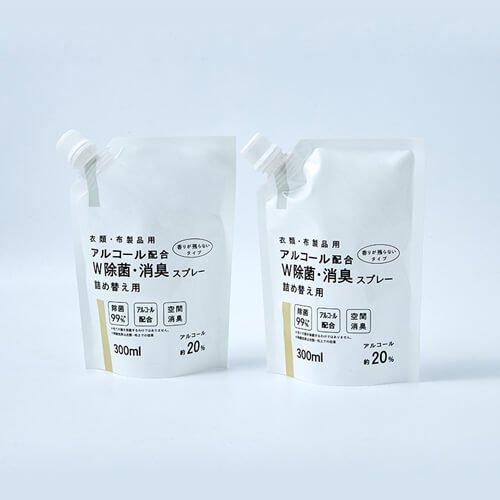
Compare screw caps, snap caps, and caps with breakaway bands by opening action, reclosure behavior, fitment, and filling equipment. Ask for model drawings or samples rather than relying on names.
Define how the user opens the pouch
A screw cap may use a band that breaks or separates as the cap turns. A snap cap may use a bridge or ring that changes when lifted. Other designs may use a plug and cap combination. For concrete examples, Aptar describes a tear-band flip-top pouch closure, while SIG describes a ring retained on the spout. These examples explain different mechanisms; they do not identify components supplied by XINYUAN.
I ask buyers to demonstrate the intended first opening with a sample. The hand motion, force, sound, and visible result all matter. If a cap must be opened with one hand, the pouch should stay stable while the user turns or lifts the cap. If the product is thick, the opening needs enough flow area for practical dispensing.
The cap also needs to close again after first opening. I check whether the user can reseal it without cross-threading or misalignment. I check for premature bridge damage before opening and a visible change afterward. A ring can intentionally remain attached to the spout; retention alone does not mean that the indicator failed.
| Cap comparison point | What I record |
|---|---|
| First action | Turn, lift, pull, or snap |
| Evidence | Broken ring, separated band, or changed bridge |
| Reseal action | Thread, press, or snap after opening |
| Product flow | Opening area and dispensing behavior |
| Equipment | Manual or automated capping method |
I ask the cap supplier to identify the model and revision. If a later reorder uses a substitute, the buyer should approve it again because similar caps may have different opening behavior.
How should the RFQ define the cap and spout assembly?
A purchase order that names only pouch size and cap color leaves the most important fitment details open. I put the assembly into a controlled drawing and component list.
State the cap model, spout neck, tamper feature, closure method, material information supplied by the vendor, filling route, and sample approval requirement. Keep the drawing and artwork revision aligned.
Use one assembly reference
I label the pouch body, spout, neck, cap, tamper feature, and sealing area as separate items. The drawing shows the cap on the spout and the cap removed, if that view helps explain the first opening. I also mark the spout position, because a corner spout and center spout can present different hand angles.
The RFQ should describe how the pouch is filled and closed. If the pouch is filled through an open edge, the cap may already be installed before filling. If the pouch is filled through the spout, the cap and plug sequence may be part of the line operation. The supplier needs that information to propose a workable assembly.
I ask buyers to list the product type, fill weight, viscosity or particle condition, and dispensing expectation. I do not invent flow or torque values. The component supplier should provide any proposed operating data and the buyer should accept the conditions.
| RFQ field | Why it matters |
|---|---|
| Pouch format and size | Sets handling and fitment space |
| Spout position and neck | Defines cap compatibility |
| Tamper mechanism | Defines what the user sees after opening |
| Filling route | Aligns the component with the line |
| Reclosure requirement | Confirms post-opening use |
| Approved revision | Prevents unrecorded substitutions |
We provide free artwork and typesetting service. I use that support to keep cap placement, spout position, and printed instructions consistent. A printed pattern may require a plate fee; reusing the same pattern later normally avoids a new plate fee.
How should buyers test a tamper-evident cap before bulk production?
A cap can look correct on an empty pouch and fail after filling. I approve the assembly using the actual product or a representative substitute.
Fill and close representative samples, record the first-opening action, inspect the visible tamper change, and test reclosure. Keep the approved cap model and sample with the order record.
Test the complete user sequence
I suggest five checks. Fill the pouch to the planned level. Close it with the approved cap process. Ask an operator unfamiliar with the drawing to open it. Record whether the tamper feature changes visibly and whether the product dispenses as intended. Close the pouch again and check reclosure.
The test should include cap orientation, pouch flexibility, and the storage position expected during distribution. A pouch lying flat can behave differently from one held upright. The buyer should inspect the spout attachment and cap fit after handling because a visual band change alone does not validate the entire assembly.
I record the cap model, spout model, filling route, sample condition, and acceptance result. If the product, fill level, cap supplier, or line changes, I review the sample again. I do not transfer another manufacturer’s test result to a XINYUAN pouch.
XINYUAN provides free in-stock samples where a suitable format exists. A custom sample may require a fee; for a later bulk order, we can return or deduct that fee subject to the confirmed quotation. Our equipment and production organization support large orders, while the approved filled sample controls the specific fitment.
Conclusion
Define the tamper feature, cap and spout assembly, filling route, and reclosure action together, then approve the filled pouch before bulk production.