


A bottom-gusset label can sound precise while hiding major differences in shape and production. The wrong choice may affect filling, standing, artwork, or case packing.
I choose a Doyen-style bottom when a rounded support seal and upright presentation fit the brief. I consider a K-seal when diagonal corner seals suit the size, fill, and production method. The final choice should follow factory capability plus filled-pouch, shelf, handling, and case-pack tests.

The useful question is not which name sounds stronger. I connect the bottom geometry to the real product, pouch dimensions, packing line, artwork, and distribution method.
What Is the Structural Difference Between a Doyen Bottom and a K-Seal?
Both formats use a bottom gusset, so flat drawings can look similar. Their supporting seal geometry creates the practical difference buyers need to approve.
A Doyen-style pouch uses a curved or U-shaped support seal around the gusset area. A K-seal uses diagonal seals from the lower corners toward the base, creating a K-like pattern. Exact terminology and construction can vary, so I require a dimensioned drawing rather than a style name alone.
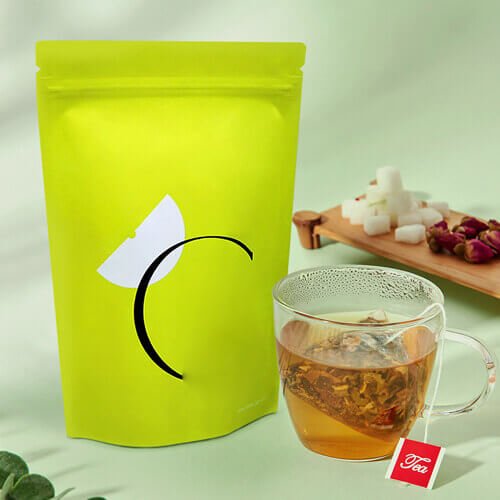
I translate the name into visible geometry
The term Doyen often describes a bottom in which a curved seal helps form the pouch's supporting feet. The K-seal name comes from the diagonal seal pattern near the lower corners. However, suppliers, regions, machines, and pouch sizes can use these labels differently. A buyer who writes only “Doyen bottom” on a purchase order may still receive a construction that differs from the expected sample.
I ask for a flat drawing that shows the gusset fold, every bottom seal, the seal outline, corner shape, and finished cut. I also request an empty sample and a filled sample when the decision carries meaningful risk. These references are clearer than a catalog label.
| Drawing item | Why I ask buyers to approve it |
|---|---|
| Gusset depth | It affects expansion and usable internal shape |
| Bottom seal outline | It identifies the actual construction |
| Corner geometry | It affects appearance and how the base forms |
| Side-seal relationship | It shows how bottom and side seals meet |
| Finished cut line | It defines the external pouch outline |
| Unprinted seal zones | It protects critical graphics from changing areas |
XINYUAN visibly offers custom stand-up pouches. I still confirm whether a requested bottom style is feasible for the proposed size, material structure, features, and production method before treating it as an order specification.
How Do Product Weight and Filling Behavior Affect the Choice?
An empty pouch can stand beautifully while a filled pouch leans, rocks, or deforms. The contents determine how the gusset actually opens and supports the pack.
I evaluate product weight together with bulk density, particle size, flow, fill volume, headspace, and center of gravity. Neither bottom style is universally stronger or more stable. Buyers should compare both with representative contents and the intended filling method before approving the structure.
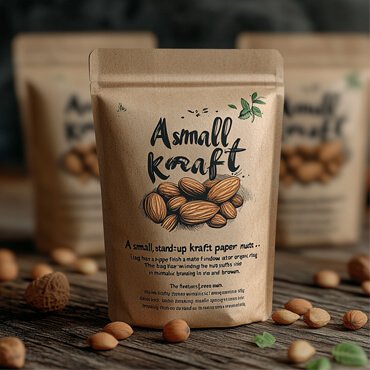
I look at how the product enters the base
Free-flowing granules may settle into the bottom differently from powders, irregular snacks, pet treats, or a dense paste. Some products spread evenly into the gusset. Others bridge above the fold, create an uneven lump, or keep one corner from opening. The same nominal fill weight can therefore produce a different filled height and center of gravity.
I ask the buyer to provide the real product or a defensible representative load. Water, rice, or plastic pellets may be convenient for a quick demonstration, but they do not always reproduce the behavior of the commercial contents. I avoid promising stability from a capacity estimate alone.
I review the filling and settling sequence
The line may open the pouch, expand the gusset, dose the product, vibrate or settle it, clear the zipper and seal area, close the zipper, and apply a final top seal. Each step can change the base. A pouch that stands after hand filling may behave differently on an automatic or semi-automatic line.
The buyer should record the opening fixture, filling nozzle or chute, drop height, settling action, final fill control, and pouch handling after sealing. I then compare whether the chosen bottom opens consistently and whether filled pouches remain acceptable during accumulation, cartoning, and retail display. The decision is a system choice, not a claim that one named seal always carries more weight.
How Do Bottom Style, Pouch Dimensions, and Artwork Affect One Another?
Changing the bottom construction without revisiting dimensions can alter usable volume and standing proportions. It can also move graphics into folds, seals, or hidden areas.
I size the pouch and bottom together. Buyers should approve width, height, gusset depth, bottom-seal geometry, fill line, top features, and usable print zones as one dieline. A capacity copied from another bottom style should be treated as an estimate until a filled sample confirms it.
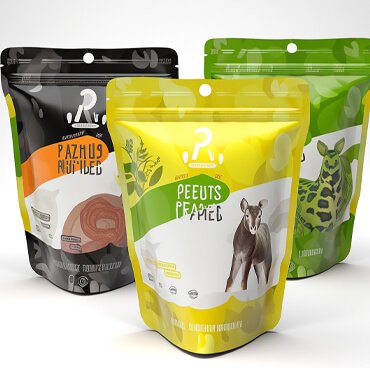
I do not hold every dimension constant automatically
A buyer may want to change from one bottom style to another while keeping the same width, height, and gusset depth. That request can be a starting point, but it should not be assumed to preserve usable volume, filled shape, or shelf footprint. The bottom seal consumes material and controls how the gusset opens. The product itself also changes the final geometry.
I ask buyers to define the required product amount, target filled appearance, shelf space, carton orientation, and top features. The factory can then develop a suitable drawing for sample evaluation. I avoid quoting a universal conversion formula between Doyen and K-seal formats because construction details and products vary.
I protect important artwork from the base
The flat print layout can make the gusset look like extra branding space, but much of that area folds underneath or changes angle after filling. Bottom seals can also cover or distort graphics. I keep critical text, barcodes, instructions, and registration-sensitive elements away from uncertain fold and seal zones unless the approved dieline specifically supports them.
XINYUAN provides free artwork and typesetting service, so I can place the buyer's design on the confirmed dieline. A printed pattern requires a printing plate, so a plate fee may apply. The fee is paid to the plate-making factory. If the same printing pattern is reused in a later order, a new plate fee is normally unnecessary, subject to the quotation. Finalizing the bottom before plate making helps avoid preventable artwork revisions.
What Should Buyers Test Before Approving the Bottom Construction?
A visual proof confirms the drawing, not real performance. A controlled sample test reveals whether the pouch fills, stands, packs, and opens as intended.
Buyers should test representative filling, gusset opening, top sealing, filled stability, shelf recovery, compression in the case, handling, drop conditions defined by their distribution plan, and consumer opening. They should approve dimensions, artwork, sample, test method, and inspection criteria before bulk production.
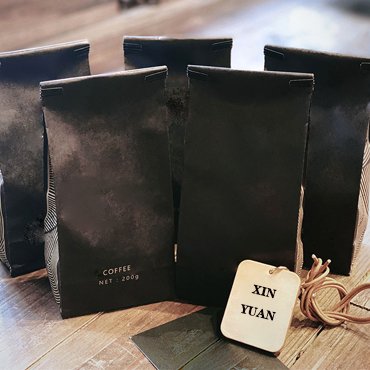
I test the finished commercial configuration
The sample should use the intended size, bottom geometry, material structure, zipper or other closure, tear notch, hang hole when relevant, and representative artwork coverage. The buyer should fill it using the intended product and process. After final sealing, the pouch should be allowed to settle in the way the commercial pack will settle.
I recommend checking more than whether one pouch stands for a photograph. Buyers should examine a meaningful group on the shelf, remove and replace units, place them on imperfect surfaces used in their operation, and observe whether the base opens consistently. They should also test the shipping case because tightly packed pouches can press against one another, while loose cases allow movement.
| Approval stage | Evidence to retain |
|---|---|
| Drawing review | Signed dimensions and bottom-seal geometry |
| Filling trial | Product, fill control, equipment, and gusset opening result |
| Shelf trial | Stability and appearance across multiple finished pouches |
| Case-pack trial | Count, orientation, compression, and movement observations |
| Handling trial | Agreed handling and drop conditions with recorded results |
| Bulk release | Approved sample, artwork version, and inspection method |
I freeze the choice for repeat orders
I can provide free in-stock samples for an initial comparison. A separately produced custom sample may require a sample fee. For a later bulk order, I can return that fee or deduct it from the bulk-order price, subject to the confirmed quotation. A stock sample is useful for learning, but it cannot validate a new product, dimension, or bottom construction.
Our equipment, experienced production employees, and integrated production organization support large orders and long-term supply. I present dependable production as our operating focus, not an unconditional guarantee. The buyer's strongest control remains a signed drawing, approved filled sample, defined test record, and formal review of any later structural change.
Conclusion
I choose between Doyen and K-seal bottoms by confirming geometry, product behavior, dimensions, artwork, filling, shelf stability, and case-pack results with approved samples.